



6 Timeless Skills That Will Always Be in Demand

Artificial Intelligence, automation, and digital transformation are reshaping industries faster than ever before. Reports from organizations such as the World Economic Forum (WEF), OECD, McKinsey & Company, and LinkedIn consistently show that while technology changes rapidly, certain human-centered skills continue to remain valuable regardless of economic shifts or technological disruption.
Many jobs will disappear over the next decade, while entirely new careers will emerge. However, professionals who master transferable skills are significantly more likely to adapt, remain employable, and earn higher salaries throughout their careers.
Unlike technical software that becomes outdated every few years, timeless skills appreciate in value because they can be applied across industries, countries, and economic cycles. Whether you’re a student, freelancer, entrepreneur, or corporate professional, investing in these abilities provides long-term career security.
This research-backed guide explores six timeless skills that have consistently remained in demand and explains why employers continue to prioritize them despite rapid technological advancement.
Why Timeless Skills Matter More Than Ever
The global workforce is experiencing unprecedented transformation. AI now automates repetitive tasks, robotics improve manufacturing efficiency, and cloud technology has changed how businesses operate.
Despite these advances, organizations still depend on employees who can:
- Solve complex problems
- Build relationships
- Make strategic decisions
- Lead teams
- Adapt to uncertainty
- Communicate ideas clearly
According to the World Economic Forum’s Future of Jobs research, analytical thinking, resilience, leadership, and creative thinking remain among the world’s most valuable workplace skills.
These competencies cannot easily be replaced by algorithms because they require judgment, emotional intelligence, ethical reasoning, and contextual understanding.
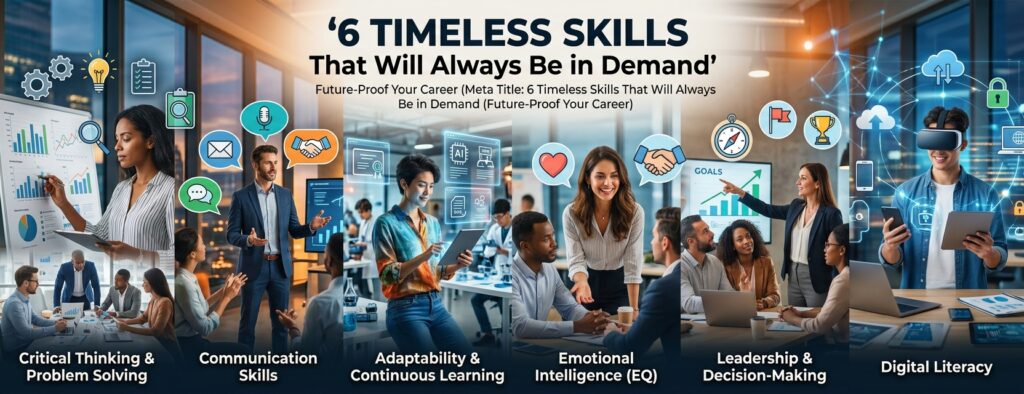
1. Critical Thinking and Problem Solving
Why It Matters
Organizations don’t hire people simply to complete tasks—they hire individuals who can solve problems.
Businesses constantly face challenges such as:
- declining sales
- cybersecurity threats
- customer complaints
- operational inefficiencies
- supply chain disruptions
- changing regulations
Professionals who can analyze situations, identify root causes, evaluate evidence, and recommend practical solutions become indispensable.
Instead of accepting information at face value, critical thinkers ask:
- What evidence supports this?
- Is there another explanation?
- What risks exist?
- Which solution creates the best long-term outcome?
These questions improve decision-making across every industry.
Industries That Need Critical Thinkers
- Healthcare
- Engineering
- Finance
- Information Technology
- Government
- Education
- Marketing
- Manufacturing
- Consulting
How to Develop This Skill
- Read research instead of headlines.
- Analyze business case studies.
- Practice solving real-world problems.
- Learn structured decision-making frameworks.
- Challenge your own assumptions.
2. Communication Skills
Communication Remains a Competitive Advantage
Many talented professionals fail to advance because they cannot explain ideas effectively.
Communication extends beyond speaking confidently. It includes:
- Writing clearly
- Active listening
- Giving presentations
- Negotiation
- Storytelling
- Persuasion
- Cross-cultural communication
Remote work has made written communication even more important. Emails, project documentation, reports, proposals, and online meetings now dominate modern workplaces.
Employees who communicate clearly reduce misunderstandings, improve teamwork, and increase productivity.
Why Employers Value Communication
Good communication:
- improves customer satisfaction
- strengthens leadership
- reduces project failures
- increases collaboration
- builds trust
- supports innovation
Research consistently shows communication is among the most requested soft skills across global job postings.
Ways to Improve
- Practice public speaking.
- Write daily.
- Learn professional email etiquette.
- Ask better questions.
- Listen more than you speak.
- Request feedback after presentations.
3. Adaptability and Continuous Learning
The Ability to Learn Is Becoming More Valuable Than Existing Knowledge
Technology evolves faster than university curricula.
Programming languages change.
Marketing platforms evolve.
Cybersecurity threats increase.
AI tools improve every month.
As a result, employers increasingly hire people who demonstrate learning agility rather than relying solely on existing expertise.
Adaptability means embracing change instead of resisting it.
Professionals who continuously update their knowledge remain employable regardless of industry disruption.
Examples
A graphic designer who learns AI-assisted design tools stays competitive.
A teacher who adopts digital classrooms expands career opportunities.
A marketer who understands data analytics gains an advantage over competitors.
Building Learning Agility
- Read industry reports.
- Complete online certifications.
- Attend webinars.
- Follow trusted experts.
- Experiment with new technologies.
- Learn from failures.
Curiosity has become a professional advantage.
4. Emotional Intelligence (EQ)
The Human Skill AI Cannot Easily Replace
Technical knowledge may secure interviews, but emotional intelligence often determines long-term career success.
Emotional intelligence involves:
- Self-awareness
- Self-control
- Empathy
- Relationship management
- Conflict resolution
- Motivation
Employees with strong EQ manage stress effectively, collaborate well, and maintain productive relationships.
Managers increasingly prioritize emotional intelligence because workplaces require teamwork across different cultures, personalities, and generations.
Benefits of Emotional Intelligence
Professionals with high EQ often:
- become better leaders
- improve customer relationships
- resolve workplace conflicts
- inspire teams
- increase employee engagement
- build trust faster
Improving Emotional Intelligence
- Practice active listening.
- Learn to recognize emotional triggers.
- Ask for constructive feedback.
- Develop empathy.
- Manage stress effectively.
- Respond thoughtfully rather than react emotionally.
5. Leadership and Decision-Making
Leadership Is Not Limited to Managers
Leadership is the ability to influence positive outcomes.
Organizations increasingly seek professionals who can:
- take initiative
- motivate others
- solve challenges
- manage projects
- guide teams
- accept responsibility
Whether leading a multinational company or coordinating a university project, leadership skills remain universally valuable.
Strong leaders combine:
- vision
- accountability
- communication
- integrity
- confidence
- empathy
Why Leadership Is Future-Proof
Automation can generate reports.
AI can analyze data.
Software can optimize schedules.
However, technology cannot replace leaders who inspire people during uncertainty.
Developing Leadership
Volunteer for responsibilities.
Lead small projects.
Mentor junior colleagues.
Learn strategic planning.
Study successful leaders.
Reflect on mistakes.
Leadership improves through experience rather than theory alone.
6. Digital Literacy
Technology Skills Are No Longer Optional
Digital literacy doesn’t require becoming a software engineer.
Instead, it means confidently using technology to solve problems.
Modern professionals should understand:
- cloud computing
- cybersecurity basics
- productivity software
- AI tools
- online collaboration platforms
- digital research
- data interpretation
Digital literacy improves efficiency regardless of profession.
Doctors use electronic medical records.
Teachers use online learning systems.
Lawyers rely on legal databases.
Marketers analyze digital campaigns.
Engineers use advanced simulation software.
Technology now supports nearly every profession.
Essential Digital Skills
- Microsoft Office
- Google Workspace
- AI productivity tools
- Data visualization
- Cybersecurity awareness
- Cloud collaboration
- Basic automation
Continuous digital learning ensures long-term career relevance.
Common Traits Shared by Successful Professionals
Research across multiple industries reveals consistent patterns among high performers.
They:
- embrace lifelong learning
- seek feedback
- adapt quickly
- collaborate effectively
- solve problems independently
- communicate clearly
- remain curious
- build professional networks
These behaviors strengthen every timeless skill discussed above.
How Students Can Start Building These Skills Today
Students don’t need years of work experience to develop future-proof abilities.
Practical ways include:
| Skill | Student Activity |
|---|---|
| Critical Thinking | Solve case studies and research projects |
| Communication | Join debate clubs and write blogs |
| Adaptability | Learn new software every semester |
| Emotional Intelligence | Participate in team activities |
| Leadership | Organize campus events |
| Digital Literacy | Complete online certifications |
Small daily improvements create significant long-term advantages.
Future Workplace Trends
Experts predict several workplace trends will continue over the coming decade:
- Greater AI integration
- Increased remote and hybrid work
- More project-based employment
- Lifelong reskilling
- Cross-functional collaboration
- Data-driven decision making
These changes reinforce the importance of transferable human skills rather than reducing their value.
Workers who combine technical knowledge with strong interpersonal abilities will remain highly competitive regardless of industry.
Final Thoughts
Technology will continue transforming how people work, but it is unlikely to eliminate the need for human judgment, creativity, empathy, and leadership. The professionals who thrive in the future will not necessarily be those with the most technical expertise, but those who can think critically, communicate effectively, adapt to change, understand others, lead with confidence, and use technology intelligently.
Investing in these six timeless skills is one of the most reliable ways to build a resilient and rewarding career. Unlike software, platforms, or industry trends that may become obsolete, these competencies remain valuable across generations, professions, and economic cycles. Whether you are preparing for your first job or planning your next career move, strengthening these abilities today will position you for long-term success in an increasingly dynamic world.


Top Universities
 ANU University
  Daad
Daad  University of Oxford
  Monash University
  Bond University
  Istituto Marangoni London
  Yale University
  University of Warwick
  Southern Cross University
  UCLouvain
 Recent Post

Common Scholarship Rejection Reasons
Read More 
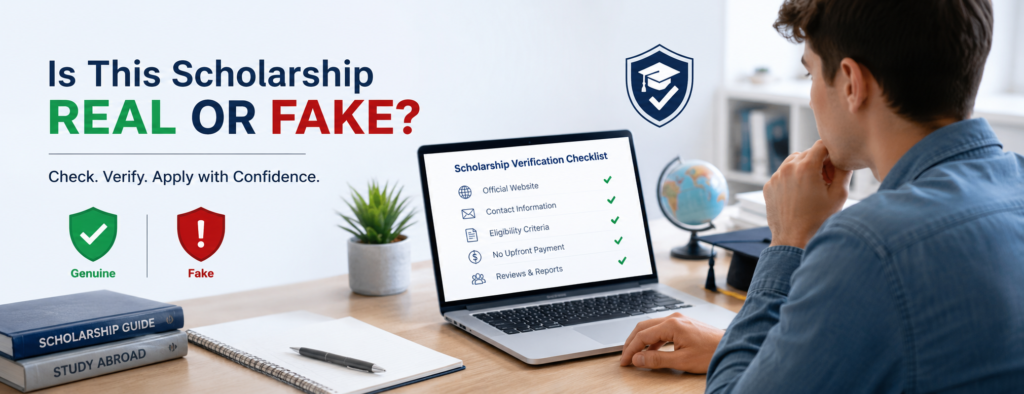
How to Check If a Scholarship Is Fake...
Read More

How to Find Professor Email for MS/PhD Admissions...
Read More

Universities That Accept Students Without IELTS in 2026
Read More

Duke-NUS AI Medical Education Faculty Position 2026
Read More
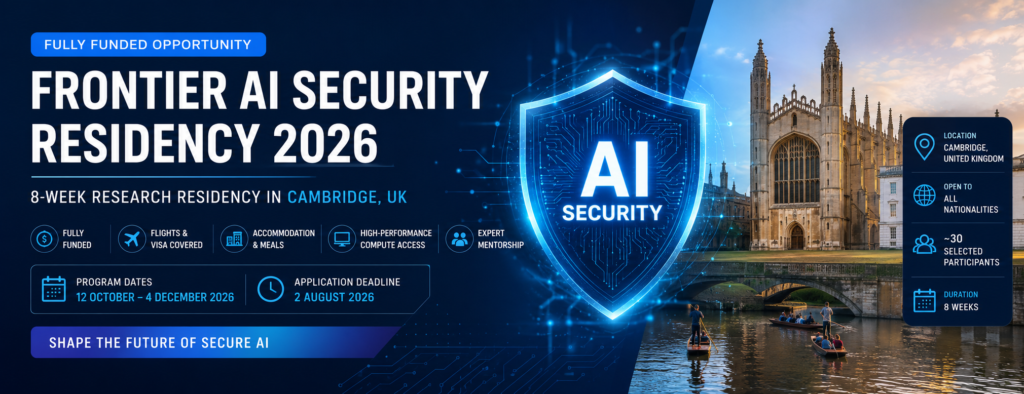
Frontier AI Security Residency 2026 in UK (Fully...
Read More
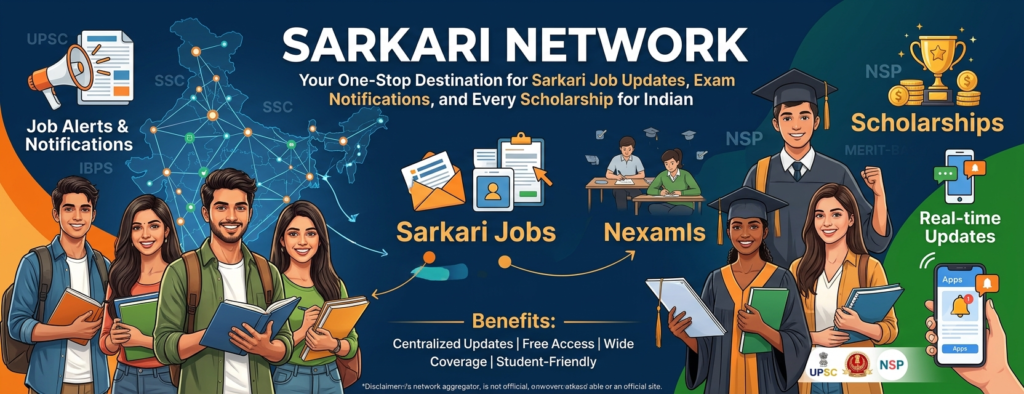
SarkariNetwork – Government Jobs, Exam Alerts & Scholarship...
Read More
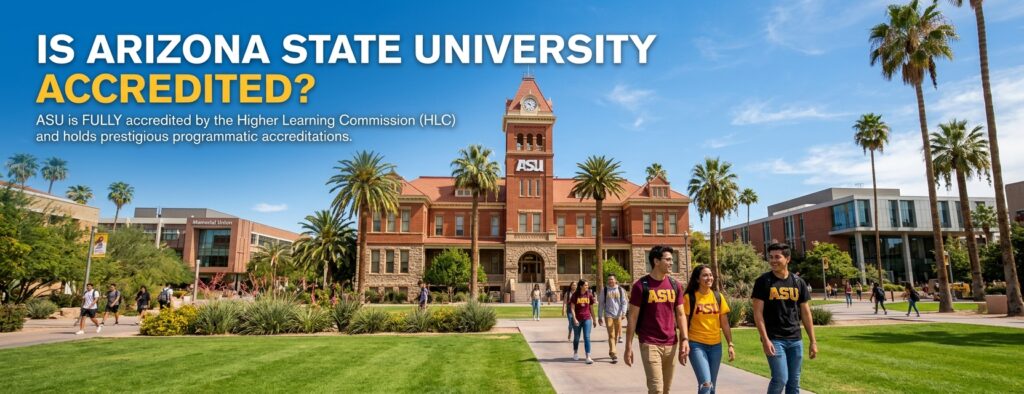
Is Arizona State University (ASU) Accredited?
Read More
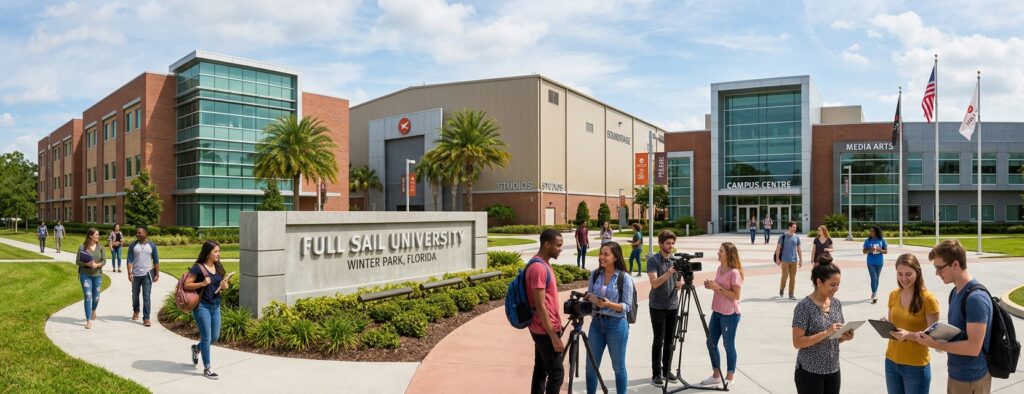
Is Full Sail University Legit?
Read More
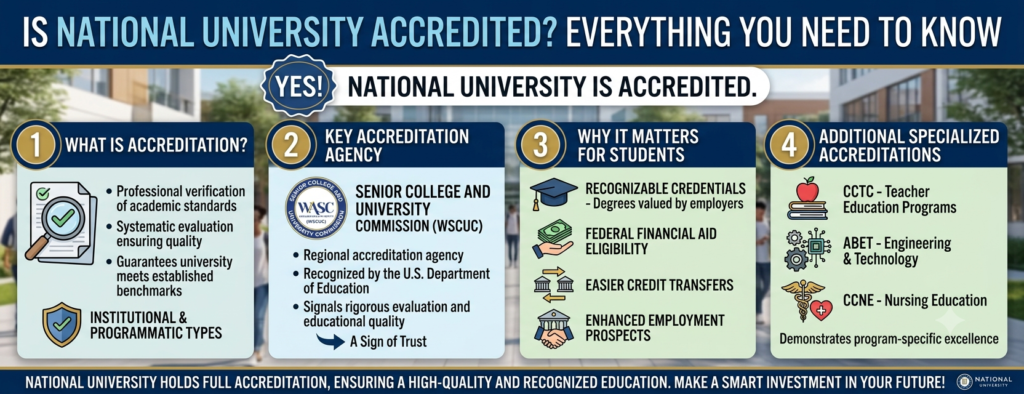
Is National University Accredited?
Read More
Work and Travel in Canada with the IEC...
Read More
The Practical Guide to GD&T Training: What It...
Read More

















0 Comments
No comments yet.