



Universities That Accept Students Without IELTS in 2026


Many students believe that taking the IELTS exam is the only way to secure admission to an international university. While IELTS remains one of the most widely accepted English language tests, it is no longer the only option. In 2026, universities across the United Kingdom, Canada, the United States, Australia, Germany, Italy, and several other countries have introduced flexible English language policies that allow qualified applicants to demonstrate their proficiency through alternative methods.
This change is largely driven by universities seeking to attract talented international students while recognizing that English proficiency can be demonstrated in multiple ways. However, it is important to understand that “without IELTS” does not mean “without English language requirements.” Universities still need evidence that students can study successfully in an English-speaking academic environment.
This guide explains how studying abroad without IELTS works, which alternatives are accepted, and what students should know before applying.
Why Do Some Universities Waive IELTS?
Universities understand that many international students have already completed their education in English or possess other internationally recognized English qualifications. Instead of requiring every applicant to submit an IELTS score, many institutions now evaluate applicants using different methods.
For example, if a student completed a bachelor’s degree or higher secondary education where English was the official language of instruction, some universities may accept a Medium of Instruction (MOI) Certificate. Similarly, institutions increasingly recognize modern English proficiency tests such as the Duolingo English Test and PTE Academic.
The decision to waive IELTS depends on the university, the degree program, the applicant’s educational background, and sometimes even the applicant’s nationality. This is why students should always review the official admission requirements for their chosen program before applying.
Common IELTS Alternatives Accepted in 2026
Medium of Instruction (MOI) Certificate
A Medium of Instruction certificate is issued by a school or university confirming that the applicant completed their previous education entirely in English.
Many universities accept an MOI certificate for admission, especially for postgraduate programs. However, not every institution recognizes this document, and some universities only accept it if the previous institution is officially accredited.
Duolingo English Test
The Duolingo English Test has become one of the fastest-growing English proficiency exams worldwide. Since it can be taken online from home and provides results quickly, many universities now accept it as an alternative to IELTS.
Students should remember that required Duolingo scores vary depending on the university and academic program.
TOEFL iBT
TOEFL continues to be one of the most respected English language examinations. Universities across North America, Europe, Australia, and Asia widely recognize TOEFL scores for undergraduate and postgraduate admissions.
PTE Academic
Pearson Test of English (PTE Academic) is another popular alternative. Many universities that traditionally required IELTS now also accept PTE scores because the exam measures practical English communication skills.
University Interviews
Some institutions assess applicants through online interviews. During these interviews, admission officers evaluate the student’s speaking and communication abilities before making a decision.
English Preparation Programs
Certain universities offer conditional admission. Students first complete a pre-sessional English course on campus before beginning their academic program. This pathway allows students to improve their language skills while securing admission.
Countries Where You Can Study Without IELTS
United Kingdom
The UK offers some of the most flexible admission policies for international students. Several universities accept alternatives such as MOI certificates, PTE Academic, Duolingo English Test, or internal English assessments.
Many universities also conduct online interviews or allow students to complete pre-sessional English courses before starting their degree.
Canada
Canadian universities increasingly recognize Duolingo, TOEFL, PTE Academic, and other English language qualifications. Some institutions may also consider applicants who completed previous education in English.
However, requirements vary significantly between universities and individual programs.
United States
Many American universities offer conditional admission for students who do not meet standard English language requirements. Instead of IELTS, applicants may submit TOEFL, Duolingo, or complete university-operated English language programs.
Australia
Australian universities continue expanding the range of accepted English language qualifications. While IELTS remains popular, many institutions also recognize TOEFL, PTE Academic, and Cambridge English examinations.
Germany
Germany has become one of the most attractive study destinations because of its affordable education and increasing number of English-taught programs. Some universities accept MOI certificates or alternative English tests depending on the program.
Italy and Other European Countries
Several universities across Italy and Europe have adopted more flexible English language policies. Applicants may qualify through alternative English tests or evidence that previous education was completed in English.
Important Things Every Student Should Know
Many websites claim that students can study abroad without any English language proof. This information is misleading.
Even if IELTS is not required, universities still expect applicants to demonstrate English proficiency through another approved method. Simply assuming that IELTS has been waived can lead to application rejection.
Students should also understand that university admission requirements and student visa requirements are not always identical. Receiving admission without IELTS does not automatically mean immigration authorities will waive language-related requirements. Always review the latest visa guidance for your destination country.
Documents You May Need
When applying to universities without IELTS, students generally need:
- Valid passport
- Academic transcripts and certificates
- Statement of Purpose (SOP)
- Letters of Recommendation
- Updated CV (for postgraduate applicants)
- Medium of Instruction Certificate (if applicable)
- Alternative English language test results, if required
- Financial documents required for admission or visa processing
Additional documents may vary depending on the university and academic program.
How to Improve Your Chances of Admission
Applying without IELTS requires careful planning. Students should begin by selecting universities that officially accept alternative English qualifications instead of relying on unofficial lists found online.
Preparing a strong Statement of Purpose, maintaining excellent academic records, submitting complete documentation, and meeting application deadlines significantly improve admission chances. Applicants should also contact the university’s admissions office whenever they are unsure whether their English qualification is acceptable.
Another effective strategy is to apply to multiple universities rather than relying on a single institution. Since English language policies differ from one university to another, applying broadly increases the likelihood of receiving an admission offer.
Final Thoughts
Studying abroad without IELTS is more achievable in 2026 than ever before. Universities worldwide are adopting flexible admission policies that recognize different ways of demonstrating English proficiency. Whether through a Medium of Instruction certificate, Duolingo English Test, TOEFL, PTE Academic, university interviews, or English preparation programs, international students now have more opportunities to pursue higher education abroad.
However, applicants should avoid assuming that every university follows the same policy. Admission requirements differ by institution, program, and intake. Before submitting an application, always review the official English language requirements published by your chosen university.
By researching universities carefully, preparing the required documents, and selecting the most appropriate English language pathway, students can confidently apply for international admissions without relying solely on an IELTS score.


Top Universities
 ANU University
  Daad
Daad  University of Oxford
  Monash University
  Bond University
  Istituto Marangoni London
  Yale University
  University of Warwick
  Southern Cross University
  UCLouvain
 Recent Post

Common Scholarship Rejection Reasons
Read More 

How to Check If a Scholarship Is Fake...
Read More

How to Find Professor Email for MS/PhD Admissions...
Read More

Duke-NUS AI Medical Education Faculty Position 2026
Read More
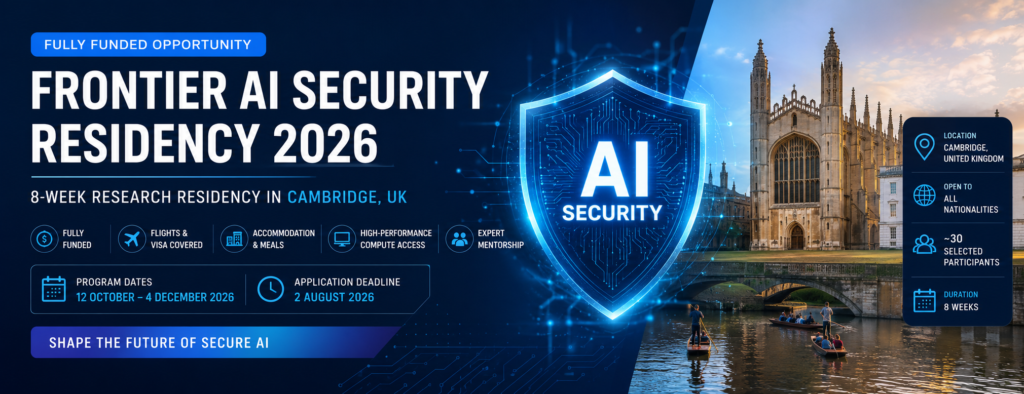
Frontier AI Security Residency 2026 in UK (Fully...
Read More

SarkariNetwork – Government Jobs, Exam Alerts & Scholarship...
Read More

Is Arizona State University (ASU) Accredited?
Read More

Is Full Sail University Legit?
Read More
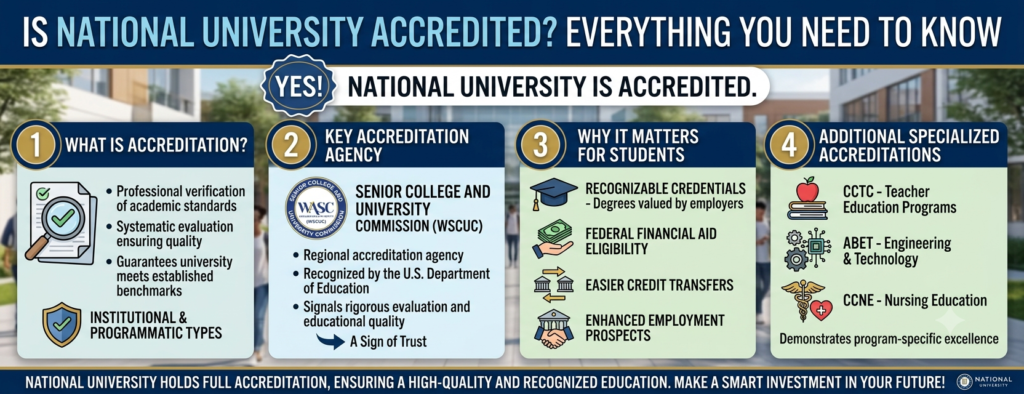
Is National University Accredited?
Read More

Work and Travel in Canada with the IEC...
Read More

The Practical Guide to GD&T Training: What It...
Read More

CMMS and Preventive Maintenance Software Solutions Guide
Read More























0 Comments
No comments yet.