



Study in Italy: A Comprehensive Guide on Student Visas & Permits and Cost of Living for International Students


Italy Student Visa Guide 2026: Requirements, Costs, Living Expenses, and Work Opportunities for International Students
Italy continues to be one of Europe’s most attractive study destinations, offering internationally recognized universities, affordable tuition fees, rich cultural heritage, and excellent career opportunities. Every year, thousands of international students choose Italy to pursue bachelor’s, master’s, PhD, language, and exchange programs.
If you plan to study in Italy in 2026, understanding the latest student visa requirements, residence permit procedures, living costs, scholarships, and work regulations is essential. This comprehensive guide covers everything international students need before moving to Italy.
Why Study in Italy?
Italy has become a leading destination for international education because it offers:
- Globally recognized universities
- Affordable tuition compared to many Western countries
- Numerous scholarships for international students
- Access to the European Higher Education Area
- Rich history, architecture, fashion, arts, and culture
- Excellent transportation system
- Opportunities to work while studying
- Gateway to travel across the Schengen Area
Some of Italy’s top universities include:
- University of Bologna
- Sapienza University of Rome
- Politecnico di Milano
- University of Padua
- University of Milan
- University of Pisa
- Bocconi University
- University of Turin
Italy Student Visa Requirements for 2026
Most non-EU/EEA students must obtain a student visa before entering Italy.
The type of visa depends on the duration of your studies.
1. Short-Stay Study Visa (Type C)
The Type C Visa is designed for courses lasting up to 90 days.
Suitable for:
- Summer schools
- Exchange programs
- Language courses
- Short professional training
Required documents usually include:
- Valid passport
- Visa application form
- Passport-size photographs
- Admission or enrollment letter
- Proof of accommodation
- Travel itinerary
- Medical insurance
- Financial proof
- Visa fee payment receipt
2. Long-Stay Student Visa (Type D)
Students enrolled in degree programs or courses lasting more than 90 days need a National Study Visa (Type D).
This is the most common visa for international students studying in Italy.
Typical required documents include:
- Valid passport
- University admission letter
- Proof of tuition payment (if applicable)
- Financial evidence showing sufficient funds
- Accommodation details
- Health insurance
- Passport photographs
- Completed visa application
- Visa fee receipt
Italian embassies may request additional documents depending on the applicant’s nationality.
Residence Permit (Permesso di Soggiorno)
Obtaining a student visa is only the first step.
Students staying longer than 90 days must apply for a Residence Permit (Permesso di Soggiorno) shortly after arriving in Italy.
Generally, students should begin the application process within 8 working days of arrival.
The application is submitted through designated Italian post offices and finalized at the local immigration office (Questura).
Documents commonly required include:
- Passport
- Student visa
- University enrollment certificate
- Passport photographs
- Health insurance
- Proof of accommodation
- Proof of financial support
- Residence permit application forms
Students should keep copies of all submitted documents.
Financial Requirements for an Italy Student Visa
Applicants must demonstrate they have enough financial resources to support themselves during their studies.
Acceptable proof may include:
- Personal bank statements
- Sponsor’s financial documents
- Scholarship award letters
- Education loan documents
- Official financial guarantees
Italian authorities may update the minimum financial requirement annually, so applicants should verify the latest amount with their local Italian Embassy or Consulate before applying.
Health Insurance for International Students
Health insurance is mandatory for obtaining a student visa and residence permit.
Students may use:
- International private health insurance accepted in Italy
- Italian private insurance providers
- Registration with the Italian National Health Service (SSN), if eligible
The appropriate option depends on nationality, visa type, and length of stay.
Cost of Living in Italy for Students (2026)
Living expenses vary depending on the city and personal lifestyle.
Major cities such as Milan, Rome, and Florence are generally more expensive than cities like Pisa, Perugia, Padua, Siena, or Bari.
Below is an estimated monthly budget.
| Expense | Estimated Monthly Cost |
|---|---|
| Accommodation | €350–€900 |
| Food & Groceries | €200–€350 |
| Transportation | €25–€60 |
| Utilities & Internet | €50–€120 |
| Mobile Phone | €10–€25 |
| Study Materials | €30–€80 |
| Personal Expenses | €100–€250 |
Overall, most international students spend approximately €800 to €1,500 per month, depending on the city and lifestyle.
Student Accommodation in Italy
Students can choose from several housing options.
University Dormitories
Usually the most affordable option.
Monthly cost:
€250–€500
Shared Apartments
Popular among international students.
Monthly rent:
€350–€700
Private Apartments
Suitable for students seeking privacy.
Monthly rent:
€600–€1,200+
Prices are highest in Milan and central Rome.
Food Costs
Italy offers affordable grocery shopping alongside excellent local cuisine.
Estimated costs:
- Grocery shopping: €150–€250/month
- Student cafeteria meals: €4–€8
- Restaurant meal: €15–€30
- Coffee: €1.20–€2
- Pizza: €8–€15
Cooking at home can significantly reduce monthly expenses.
Transportation Costs
Italy has an efficient public transportation network.
Students benefit from discounted transportation passes in many cities.
Typical monthly costs:
- Local transport pass: €25–€50
- Regional train discounts available for eligible students
- Bicycle sharing available in major cities
Scholarships for International Students
Italy offers numerous funding opportunities.
Popular scholarships include:
- Italian Government Scholarships
- DSU Regional Scholarships
- Invest Your Talent in Italy
- University Merit Scholarships
- Erasmus+ Scholarships
- Regional Financial Aid Programs
Scholarships may cover:
- Tuition fees
- Monthly living allowance
- Accommodation
- Meals
- Health insurance
- Travel grants
Students should begin scholarship applications several months before admission deadlines.
Can International Students Work in Italy?
Yes.
International students holding a valid residence permit for study purposes are generally allowed to work up to 20 hours per week during the academic year, provided the annual limit established under Italian regulations is respected.
Working while studying helps students gain valuable professional experience and supplement living expenses.
Common student jobs include:
- Restaurants and cafés
- Retail stores
- Hotels
- Tourism
- University assistant positions
- English tutoring
- Customer service
- Freelance digital work (where legally permitted)
Average Student Salary
Part-time wages vary depending on the employer and location.
Students commonly earn around €8–€15 per hour, although actual pay depends on the type of work, experience, and local labor market conditions.
Tips to Reduce Living Costs
Students can save money by:
- Applying for scholarships
- Choosing university residences
- Sharing accommodation
- Cooking meals at home
- Using student transportation discounts
- Purchasing second-hand textbooks
- Taking advantage of museum and cultural discounts
- Planning monthly budgets
Documents Checklist Before Traveling
Before leaving for Italy, ensure you have:
- Valid passport
- Student visa
- University admission letter
- Tuition payment receipts
- Accommodation confirmation
- Health insurance
- Financial documents
- Passport photographs
- Copies of important documents
- Emergency contact information


Top Universities
 Daad
Daad  ANU University
  University of Oxford
  Monash University
  Umeå University
  University of Warwick
  Yale University
  UCLouvain
  University of British Columbia (UBC)
  Southern Cross University
 Recent Post

Common Scholarship Rejection Reasons
Read More 

How to Check If a Scholarship Is Fake...
Read More

How to Find Professor Email for MS/PhD Admissions...
Read More

Universities That Accept Students Without IELTS in 2026
Read More

Duke-NUS AI Medical Education Faculty Position 2026
Read More

Frontier AI Security Residency 2026 in UK (Fully...
Read More
SarkariNetwork – Government Jobs, Exam Alerts & Scholarship...
Read More
Is Arizona State University (ASU) Accredited?
Read More
Is Full Sail University Legit?
Read More
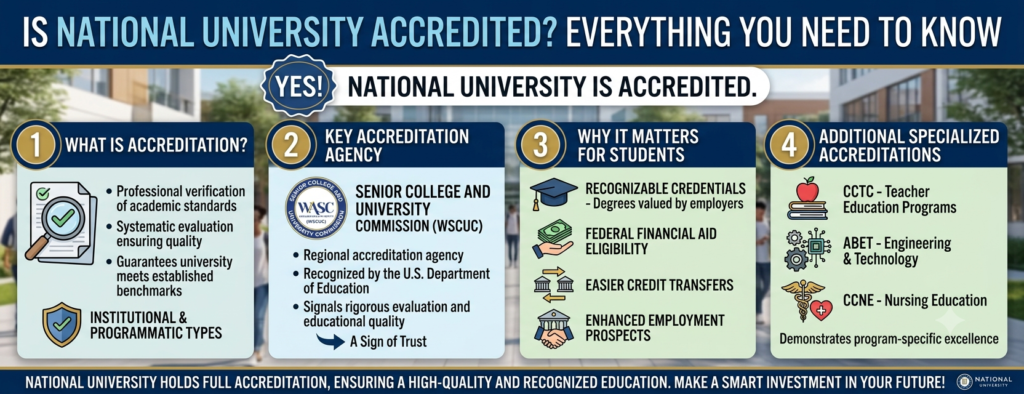
Is National University Accredited?
Read More

Work and Travel in Canada with the IEC...
Read More

The Practical Guide to GD&T Training: What It...
Read More




















0 Comments
No comments yet.