



Denmark Work Visa 2026 – Everything You Need to Know


Denmark continues to be one of Europe’s top destinations for skilled international professionals, offering excellent career opportunities, competitive salaries, a high standard of living, and one of the world’s best work-life balances. As the Danish economy continues to grow and industries face ongoing labor shortages, the government is actively welcoming qualified workers from outside the European Union through various work permit schemes.
In 2026, Denmark remains focused on recruiting professionals in healthcare, information technology, engineering, renewable energy, construction, manufacturing, education, and life sciences. To support employers in filling critical vacancies, the Danish Agency for International Recruitment and Integration (SIRI) continues to operate several work permit programs, including the Positive List Scheme, Pay Limit Scheme, and Fast-track Scheme.
If you are planning to work in Denmark in 2026, this guide explains the latest work visa options, eligibility requirements, salary criteria, application process, required documents, processing times, and tips to improve your chances of approval.
Why Work in Denmark?
Denmark consistently ranks among the happiest and most prosperous countries in the world. Employees benefit from fair wages, flexible working hours, excellent healthcare, and strong labor protections.
Some of the key advantages include:
- High average salaries
- Excellent work-life balance
- Safe and clean cities
- Free public healthcare after registration
- Generous paid annual leave
- Paid maternity and paternity leave
- Strong employee rights
- Family reunification opportunities
- Clear pathway to permanent residence
- Excellent education system for children
These benefits make Denmark one of the most attractive countries for skilled foreign professionals looking to build a long-term career.
Latest Denmark Work Visa Updates for 2026
The Danish government continues to modernize its immigration policies to attract highly qualified international workers.
Some important updates for 2026 include:
- The Positive List has been updated to reflect occupations experiencing labor shortages.
- Denmark continues investing in renewable energy, digital transformation, and healthcare, increasing demand for skilled professionals.
- Certified employers can continue using the Fast-track Scheme, allowing quicker recruitment of international workers.
- Online applications through SIRI have become more streamlined, making the application process faster and more transparent.
- International graduates from Danish universities can continue applying for work permits after completing their studies.
Applicants should always check the latest salary requirements and occupation lists before submitting an application, as these may be revised periodically.
Types of Denmark Work Permits
1. Positive List Scheme
The Positive List is designed for professionals working in occupations where Denmark has a shortage of qualified workers.
If you receive a job offer in one of the listed occupations, you may qualify for a residence and work permit.
Some occupations commonly included are:
- Software Developers
- AI Engineers
- Data Scientists
- Civil Engineers
- Mechanical Engineers
- Electrical Engineers
- Doctors
- Nurses
- Pharmacists
- Dentists
- Teachers
- Laboratory Technicians
- Construction Managers
- Marine Engineers
2. Pay Limit Scheme
The Pay Limit Scheme allows foreign nationals to obtain a work permit if they receive a job offer with a salary meeting the annual minimum threshold established by Danish authorities.
General requirements include:
- Valid employment contract
- Full-time employment
- Salary meeting the required threshold
- Danish employment conditions
This scheme is suitable for professionals whose occupations may not appear on the Positive List but who have high-paying job offers.
3. Fast-track Scheme
Large companies certified by SIRI can recruit international employees quickly under the Fast-track Scheme.
This program offers faster processing and includes several tracks, such as:
- Pay Limit Track
- Research Track
- Educational Track
- Short-Term Track
4. Researcher Scheme
Researchers employed by Danish universities and approved research institutions may apply under a dedicated work permit category.
5. Trainee Scheme
International trainees can obtain temporary work permits to gain professional experience with Danish employers.
High-Demand Jobs in Denmark (2026)
Denmark continues to experience labor shortages across several sectors.
| Industry | High-Demand Occupations |
|---|---|
| Information Technology | Software Developer, AI Engineer, Cloud Engineer, Cybersecurity Specialist |
| Healthcare | Doctor, Nurse, Pharmacist, Physiotherapist |
| Engineering | Civil Engineer, Mechanical Engineer, Electrical Engineer |
| Construction | Electrician, Carpenter, Welder, Construction Supervisor |
| Manufacturing | Production Engineer, Automation Technician |
| Renewable Energy | Wind Energy Engineer, Environmental Consultant |
| Education | Teachers, Researchers |
Average Salaries in Denmark
Although salaries vary depending on qualifications and experience, the following estimates provide a general overview.
| Occupation | Estimated Monthly Salary |
|---|---|
| Software Engineer | DKK 48,000–65,000 |
| Data Scientist | DKK 50,000–70,000 |
| Civil Engineer | DKK 45,000–60,000 |
| Registered Nurse | DKK 35,000–45,000 |
| Medical Doctor | DKK 60,000–90,000 |
| Electrician | DKK 35,000–45,000 |
| Mechanical Engineer | DKK 45,000–60,000 |
Actual salaries depend on the employer, location, and professional experience.
Eligibility Requirements
Applicants generally need to meet the following requirements:
- Valid passport
- Job offer from a Danish employer
- Relevant educational qualifications
- Professional work experience
- Employment contract
- Salary meeting Danish standards
- Clean immigration history
- Ability to provide supporting documentation
Certain professions may also require professional authorization or licensing before employment.
Required Documents
Most applicants must prepare the following documents:
- Valid passport
- Passport-size photographs
- Employment contract
- Educational certificates
- Updated CV
- Work experience certificates
- Salary details
- Proof of payment of application fee
- Completed online application
- Biometrics
Additional documents may be requested depending on the work permit category.
Denmark Work Visa Application Process
The application process is completed mainly online through SIRI.
Step 1
Receive a job offer from a Danish employer.
Step 2
Determine which work permit scheme applies to your employment.
Step 3
Create a Case Order ID.
Step 4
Pay the required application fee.
Step 5
Complete the online application form.
Step 6
Upload all required documents.
Step 7
Visit a Visa Application Centre or Danish diplomatic mission to provide biometrics.
Step 8
Wait for SIRI to assess your application.
Step 9
Receive your residence and work permit.
Step 10
Travel to Denmark and register with your local municipality to obtain your CPR number and access public services.
Processing Time
Processing times depend on the type of work permit.
Typical processing periods include:
- Positive List Scheme: 1–3 months
- Pay Limit Scheme: 1–2 months
- Fast-track Scheme: Often faster for certified employers
- Researcher Scheme: Around 1–2 months
Incomplete applications may require additional processing time.
Work Visa Fees
Applicants should budget for:
- SIRI application fee
- Biometrics fee (if applicable)
- Translation of documents
- Courier or service charges
Fees are reviewed periodically, so applicants should verify the latest amount before submitting their application.
Can Your Family Join You?
Yes. Most work permit holders may apply to bring eligible family members.
This generally includes:
- Spouse or registered partner
- Eligible cohabiting partner
- Children under the age of 18
In many cases, spouses are also permitted to work while living in Denmark.
Permanent Residence
Foreign workers who legally live and work in Denmark for several years may become eligible for permanent residence if they satisfy the country’s requirements.
These typically include:
- Continuous legal residence
- Stable employment
- Compliance with Danish laws
- Language proficiency
- Integration requirements
Permanent residents may later become eligible to apply for Danish citizenship.
Tips to Improve Your Chances of Approval
- Apply under the correct work permit scheme.
- Ensure your occupation matches the Positive List if applicable.
- Verify that your salary meets Danish requirements.
- Submit complete and accurate documentation.
- Keep certified translations of educational documents.
- Respond promptly to any requests from SIRI.
- Ensure your employer follows Danish employment regulations.
Frequently Asked Questions (FAQs)
Can I apply for a Denmark work visa without a job offer?
No. Most work permit schemes require a valid job offer from a Danish employer.
Can my spouse work in Denmark?
Yes. In many cases, spouses who receive residence permits are allowed to work.
Is IELTS required?
Denmark generally does not require IELTS for work visa applications, although employers may require English or Danish language skills.
Can I change employers?
Yes, but you may need to apply for a new work permit depending on your circumstances.
How long is a Denmark work permit valid?
The validity depends on your employment contract and the work permit scheme under which you apply.
Can international students stay after graduation?
Yes. Eligible graduates may apply for permits allowing them to seek employment in Denmark.
Can I apply for permanent residence?
Yes. Eligible foreign workers may apply after meeting Denmark’s residence and integration requirements.
Is healthcare available?
Yes. Once registered and issued a CPR number, residents can generally access Denmark’s public healthcare system.
Which professions are most in demand?
Healthcare, engineering, IT, renewable energy, education, and skilled construction trades remain among the most sought-after sectors.
Is Denmark a good destination for skilled workers?
Yes. Denmark offers competitive salaries, excellent employee protections, and outstanding quality of life, making it one of Europe’s most attractive destinations for qualified professionals.
Final Thoughts
Denmark continues to offer outstanding opportunities for skilled professionals seeking long-term employment in Europe. With strong demand across healthcare, engineering, IT, renewable energy, manufacturing, and education, qualified international workers have multiple pathways to secure a Danish work permit in 2026.
By choosing the correct work permit scheme, preparing complete documentation, and meeting salary and qualification requirements, applicants can significantly improve their chances of obtaining a residence and work permit. Before applying, always review the latest guidance from the Danish authorities, as immigration rules, salary thresholds, and occupation lists may change over time.
Whether you are an experienced engineer, healthcare professional, software developer, researcher, or skilled tradesperson, Denmark remains one of the best countries to build a successful international career while enjoying an exceptional quality of life.


Top Universities
 ANU University
 Daad
 University of Oxford
 Monash University
 Bond University
 Istituto Marangoni London
 Yale University
 University of Warwick
 Southern Cross University
 UCLouvain
Recent Post

Common Scholarship Rejection Reasons
Read More 

How to Check If a Scholarship Is Fake...
Read More

How to Find Professor Email for MS/PhD Admissions...
Read More

Universities That Accept Students Without IELTS in 2026
Read More

Duke-NUS AI Medical Education Faculty Position 2026
Read More

Frontier AI Security Residency 2026 in UK (Fully...
Read More
SarkariNetwork – Government Jobs, Exam Alerts & Scholarship...
Read More

Is Arizona State University (ASU) Accredited?
Read More

Is Full Sail University Legit?
Read More
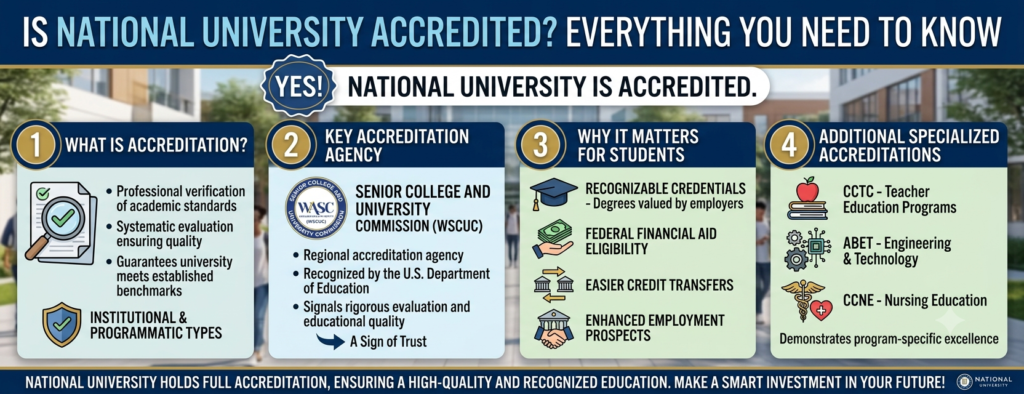
Is National University Accredited?
Read More

Work and Travel in Canada with the IEC...
Read More

The Practical Guide to GD&T Training: What It...
Read More























0 Comments
No comments yet.