



How AI is Transforming IELTS Study in 2026


Article Brief
This article is developed from the perspective of an education researcher, IELTS trainer, and SEO content strategist. It combines the latest educational technology trends, research-based learning methods, and practical IELTS preparation strategies to help students achieve higher band scores in 2026. Rather than repeating generic advice, this guide explains how artificial intelligence is changing the way candidates prepare for the IELTS exam and how students can use these innovations effectively.
What You’ll Learn
- The latest AI innovations in IELTS preparation (2026)
- How AI improves reading, writing, speaking, and listening skills
- Research-backed study strategies
- Best AI tools for IELTS preparation
- Comparison between traditional coaching and AI learning
- Practical study plan with AI
- Common mistakes to avoid
- Future of AI-powered language learning
Revolutionizing IELTS Preparation: How AI is Transforming IELTS Study in 2026
For decades, preparing for the IELTS exam meant attending coaching centers, purchasing expensive books, practicing with limited mock tests, and waiting days for teachers to evaluate essays or speaking performance. While these methods still have value, technology has dramatically changed the learning experience.
In 2026, Artificial Intelligence (AI) has become one of the most powerful tools available to IELTS candidates worldwide. AI-powered platforms now provide instant writing feedback, personalized study plans, speaking simulations, vocabulary recommendations, pronunciation analysis, and adaptive mock tests that closely resemble the real IELTS examination.
Students no longer have to rely solely on scheduled classes. Instead, they can receive immediate guidance anytime, identify weaknesses faster, and improve specific language skills with data-driven learning.
This transformation is making IELTS preparation more affordable, flexible, and personalized than ever before.
Why IELTS Preparation Needed a Revolution
Every year millions of students take IELTS for:
- University admissions
- Immigration
- Professional registration
- Work visas
- Permanent residency
Despite its popularity, traditional preparation has several limitations.
| Traditional Preparation | Modern AI Preparation |
|---|---|
| Fixed classroom schedule | Learn anytime |
| Generic lessons | Personalized learning |
| Slow teacher feedback | Instant feedback |
| Limited practice tests | Unlimited adaptive tests |
| Expensive coaching | Affordable AI subscriptions |
| Difficult progress tracking | Detailed analytics |
AI addresses these limitations by creating a customized learning experience for every student.
What Is AI-Powered IELTS Preparation?
AI-powered IELTS preparation refers to educational platforms that use machine learning and natural language processing to evaluate a student’s English skills automatically.
Instead of simply checking whether answers are correct, modern AI systems can:
- Evaluate grammar accuracy
- Analyze sentence structure
- Detect vocabulary range
- Estimate IELTS band scores
- Identify pronunciation errors
- Provide personalized improvement suggestions
- Recommend daily study goals
These systems continuously adapt based on the learner’s performance, making preparation more efficient.
How AI Is Transforming Every IELTS Module
AI for IELTS Writing
Writing remains one of the most challenging sections because candidates often struggle to receive timely and detailed feedback.
Modern AI writing assistants can analyze:
- Task Achievement
- Coherence and Cohesion
- Lexical Resource
- Grammar Range and Accuracy
Instead of waiting days for corrections, students receive detailed reports within seconds.
AI Writing Features
- Grammar correction
- Vocabulary enhancement
- Sentence restructuring
- Cohesion analysis
- Paragraph organization
- Band score estimation
- Personalized writing suggestions
This allows students to practice more essays in less time while continuously refining their writing skills.
AI for IELTS Speaking
Many students lack speaking partners, making fluency practice difficult.
AI-powered speaking tools now simulate real IELTS interviews.
Students can:
- Answer realistic cue cards
- Receive pronunciation analysis
- Improve fluency
- Reduce filler words
- Enhance intonation
- Practice time management
Some AI systems even evaluate confidence and natural speech patterns, providing feedback similar to an IELTS examiner.
AI for IELTS Reading
Reading improvement is no longer limited to answering practice questions.
Modern AI platforms analyze:
- Reading speed
- Accuracy
- Skimming ability
- Scanning efficiency
- Question type weaknesses
The software then generates targeted reading exercises focusing on areas needing improvement.
AI for IELTS Listening
Listening AI systems now include:
- Accent recognition practice
- Playback speed adjustment
- Automatic transcript comparison
- Keyword detection
- Error analysis
Students can gradually improve comprehension by practicing with different English accents commonly used in IELTS.
Personalized Learning Through AI
One of AI’s biggest advantages is personalization.
Instead of assigning identical lessons to every learner, AI identifies individual strengths and weaknesses.
For example:
Student A struggles with grammar.
Student B struggles with vocabulary.
Student C struggles with pronunciation.
Each student receives different study recommendations despite preparing for the same exam.
This personalized approach increases learning efficiency and reduces wasted study time.
Research-Backed Benefits of AI in Language Learning
Educational research highlights several advantages of AI-assisted language learning:
- Immediate feedback accelerates improvement.
- Adaptive learning keeps students engaged.
- Personalized lessons improve knowledge retention.
- Frequent practice increases confidence.
- Data analytics help learners monitor progress objectively.
When combined with consistent effort and quality study materials, AI can significantly enhance IELTS preparation outcomes.
Best AI Features Every IELTS Student Should Use
| AI Feature | Benefit |
|---|---|
| Essay Evaluation | Instant writing feedback |
| Speaking Simulator | Fluency practice |
| Pronunciation Checker | Better speaking score |
| Vocabulary Builder | Academic word improvement |
| Grammar Correction | Reduce writing errors |
| Adaptive Mock Tests | Target weak areas |
| Progress Analytics | Track improvement |
| Study Planner | Daily personalized schedule |
AI vs Traditional IELTS Coaching
| Feature | AI Learning | Traditional Coaching |
|---|---|---|
| Cost | Lower | Higher |
| Availability | 24/7 | Fixed schedule |
| Feedback Speed | Instant | Delayed |
| Personalization | High | Moderate |
| Progress Tracking | Excellent | Limited |
| Practice Volume | Unlimited | Limited |
The most effective strategy is often a combination of AI tools and guidance from experienced instructors, allowing learners to benefit from both automation and human expertise.
Practical AI-Based IELTS Study Plan
A balanced daily routine can maximize the benefits of AI-assisted preparation:
- 30 minutes: Vocabulary review with spaced repetition.
- 45 minutes: AI-guided reading or listening exercises.
- 30 minutes: Speaking practice with AI feedback.
- 45 minutes: Writing Task 1 or Task 2 and review AI suggestions.
- 15 minutes: Analyze performance reports and plan the next session.
Regular review of AI-generated insights helps students focus on persistent weaknesses rather than practicing randomly.
Common Mistakes to Avoid
While AI is a powerful learning assistant, it should not replace critical thinking or authentic practice. Avoid these common mistakes:
- Accepting AI suggestions without understanding them.
- Memorizing AI-generated essays instead of learning writing techniques.
- Ignoring official IELTS band descriptors.
- Depending only on AI without practicing under real exam conditions.
- Neglecting interaction with teachers or native speakers when possible.
Using AI as a supplement—not a substitute—produces the best long-term results.
The Future of IELTS Preparation
Artificial intelligence continues to evolve rapidly. In the coming years, students can expect:
- More realistic speaking simulations with conversational AI.
- Enhanced pronunciation analysis using speech recognition.
- Smarter adaptive mock tests that mirror official exam patterns.
- Personalized learning paths based on long-term performance data.
- Greater integration of AI with mobile learning, making high-quality preparation accessible from anywhere.
These developments will further reduce barriers to quality IELTS preparation for learners around the world.
Final Thoughts
Artificial Intelligence is revolutionizing IELTS preparation by making learning more personalized, accessible, and efficient. From instant writing evaluations to realistic speaking simulations and adaptive study plans, AI empowers learners to practice smarter rather than simply harder.
However, success in IELTS still depends on consistent effort, critical thinking, and regular exposure to authentic English. Candidates who combine AI-powered tools with disciplined study habits, official practice materials, and real communication experiences will be better positioned to achieve their target band scores in 2026 and beyond.


Top Universities
 ANU University
 Daad
 University of Oxford
 Monash University
 Bond University
 Istituto Marangoni London
 Yale University
 University of Warwick
 Southern Cross University
 UCLouvain
Recent Post

Common Scholarship Rejection Reasons
Read More 

How to Check If a Scholarship Is Fake...
Read More

How to Find Professor Email for MS/PhD Admissions...
Read More

Universities That Accept Students Without IELTS in 2026
Read More

Duke-NUS AI Medical Education Faculty Position 2026
Read More
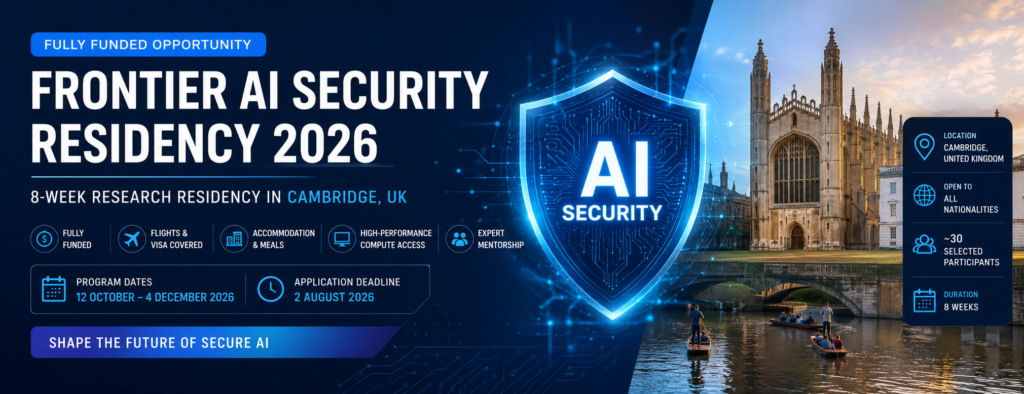
Frontier AI Security Residency 2026 in UK (Fully...
Read More
SarkariNetwork – Government Jobs, Exam Alerts & Scholarship...
Read More

Is Arizona State University (ASU) Accredited?
Read More

Is Full Sail University Legit?
Read More
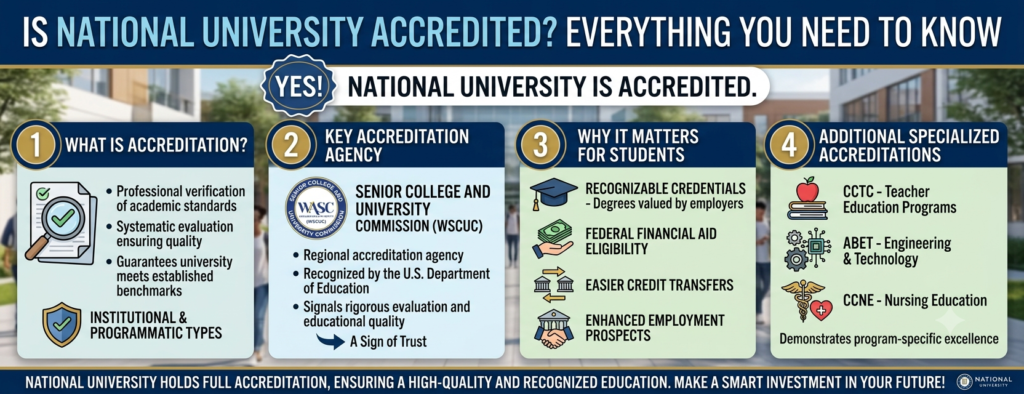
Is National University Accredited?
Read More

Work and Travel in Canada with the IEC...
Read More
The Practical Guide to GD&T Training: What It...
Read More





















0 Comments
No comments yet.