



Australian Work Visas 2026 for Non-Residents

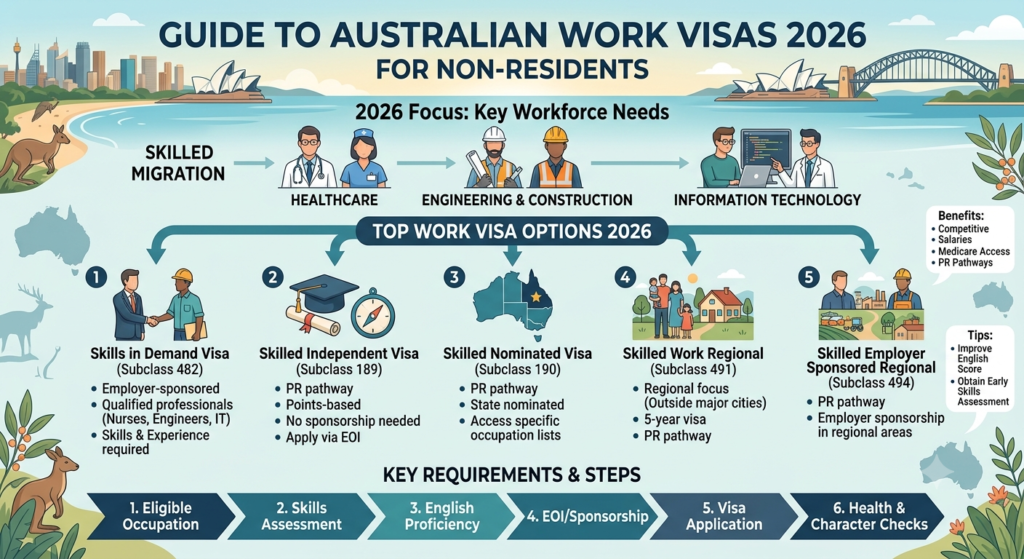
Australia remains one of the world’s most attractive destinations for skilled professionals, offering competitive salaries, excellent working conditions, and pathways to permanent residence. In 2026, the Australian Government continues to prioritize skilled migration to address labor shortages across healthcare, engineering, information technology, construction, education, hospitality, and regional industries.
If you are living outside Australia and want to work there legally, understanding the available work visa options is the first step. This guide explains the Australian Work Visas 2026 available to non-residents, eligibility requirements, application process, costs, and tips to improve your chances of approval.
Why Work in Australia?
Australia consistently ranks among the best countries for employment opportunities due to:
- High average salaries
- Strong employee protections
- Excellent healthcare system
- Safe and multicultural society
- Growing demand for skilled workers
- Opportunity to apply for permanent residency
- High quality of life
- Flexible work arrangements in many industries
Many employers actively recruit qualified professionals from overseas to fill workforce shortages. Australia’s skilled migration system includes employer-sponsored visas, independent skilled visas, and regional migration pathways.
What Is an Australian Work Visa?
An Australian work visa allows eligible foreign nationals to live and work legally in Australia for a specified period. Some visas are temporary, while others provide a direct pathway to permanent residence.
Depending on your qualifications and employment situation, you may apply through:
- Employer sponsorship
- Skilled migration
- Regional migration
- Working holiday programs (eligible countries only)
- Training visas
Australian Work Visa Options for Non-Residents in 2026
1. Skills in Demand Visa (Subclass 482)
The Skills in Demand (SID) Visa is one of Australia’s primary employer-sponsored work visas.
It allows Australian employers to hire overseas professionals when qualified local workers cannot fill available positions.
Suitable For
- Engineers
- Nurses
- Software developers
- Electricians
- Accountants
- Construction professionals
- Healthcare workers
- IT specialists
Main Requirements
- Job offer from an approved Australian employer
- Relevant skills and qualifications
- English language proficiency
- Health examination
- Character requirements
- Relevant work experience (requirements vary depending on the occupation and stream)
2. Skilled Independent Visa (Subclass 189)
The Skilled Independent Visa is a permanent residence visa designed for skilled workers who are not sponsored by an employer, state, or family member.
This visa uses Australia’s points-based immigration system.
Benefits
- Permanent residency
- Live anywhere in Australia
- Work for any employer
- Access public healthcare
- Pathway to citizenship if eligible
Applicants must receive an invitation after submitting an Expression of Interest (EOI).
3. Skilled Nominated Visa (Subclass 190)
This visa is for applicants nominated by an Australian state or territory.
Applicants usually receive additional points through state nomination.
Advantages include:
- Permanent residency
- Greater invitation opportunities
- Access to state-specific occupations
4. Skilled Work Regional Visa (Subclass 491)
Australia encourages migration to regional areas through the Skilled Work Regional Visa.
Benefits include:
- Five-year visa
- Work in regional Australia
- Additional points for nomination
- Pathway to permanent residency
Regional Australia includes many cities outside Sydney, Melbourne, and Brisbane.
5. Skilled Employer Sponsored Regional Visa (Subclass 494)
The Subclass 494 Visa allows employers in regional Australia to sponsor skilled overseas workers.
Benefits include:
- Employer sponsorship
- Long-term employment
- Regional settlement incentives
- Permanent residency pathway
Occupations in High Demand During 2026
Australia continues to experience shortages in several sectors, including:
Healthcare
- Registered Nurses
- Aged Care Workers
- Doctors
- Physiotherapists
- Pharmacists
Engineering
- Civil Engineers
- Mechanical Engineers
- Electrical Engineers
- Mining Engineers
Information Technology
- Software Engineers
- Cybersecurity Specialists
- Cloud Engineers
- Data Scientists
- AI Specialists
Construction
- Electricians
- Plumbers
- Welders
- Carpenters
- Surveyors
Education
- Secondary Teachers
- Early Childhood Teachers
- Special Education Teachers
Hospitality
- Chefs
- Hotel Managers
- Bakers
Australia regularly updates its skilled occupation lists based on workforce needs.
Eligibility Requirements
Although requirements vary by visa, most applicants must meet the following criteria:
- Valid passport
- Relevant qualifications
- Skilled occupation
- English language proficiency
- Health examination
- Police clearance
- Sufficient work experience
- Meet age requirements where applicable
Employer-sponsored visas additionally require a valid job offer from an approved sponsor.
English Language Requirements
Applicants usually demonstrate English proficiency through approved tests such as:
- IELTS
- PTE Academic
- TOEFL iBT
- Cambridge English
Required scores depend on the visa category and occupation.
Skills Assessment
Many occupations require a formal skills assessment before submitting an Expression of Interest or visa application.
Assessments are conducted by occupation-specific assessing authorities.
Examples include:
- Engineers
- Nurses
- Accountants
- ICT Professionals
- Tradespeople
Australian Work Visa Costs in 2026
Visa fees vary depending on the visa subclass and applicant type.
Applicants should also budget for:
- Skills assessment fees
- English language tests
- Medical examinations
- Police certificates
- Biometrics (where applicable)
- Document translations
Visa application charges are subject to annual indexation.
Salary Requirements
For employer-sponsored visas, sponsored positions must generally meet the applicable minimum salary threshold set by the Australian Government.
From 1 July 2026, indexed income thresholds apply to new employer-sponsored applications, including increases to the Core Skills Income Threshold and Specialist Skills Income Threshold.
Step-by-Step Application Process
Step 1
Choose the appropriate visa category.
Step 2
Check whether your occupation is eligible.
Step 3
Complete your skills assessment if required.
Step 4
Take an approved English language test.
Step 5
Create an Expression of Interest (EOI) if applying through skilled migration.
Step 6
Receive a state nomination or employer sponsorship if applicable.
Step 7
Submit your online visa application.
Step 8
Complete medical and character checks.
Step 9
Await the visa decision.
Can Non-Residents Apply Without a Job Offer?
Yes, depending on the visa.
You may not need a job offer if applying through:
- Skilled Independent Visa (189)
- Some state-nominated skilled visas
However, employer-sponsored visas require a valid job offer from an approved Australian employer.
Can Family Members Be Included?
Many Australian work visas allow applicants to include:
- Spouse or partner
- Dependent children
Eligible family members may also receive work and study rights, depending on the visa.
Permanent Residency Opportunities
Several Australian work visas can lead to permanent residency.
Common pathways include:
- Employer Nomination Scheme
- Skilled Independent Visa
- Skilled Nominated Visa
- Regional migration pathways
The exact pathway depends on your visa type and whether you continue to meet eligibility requirements.
Tips for a Successful Application
- Ensure your occupation appears on the relevant skilled occupation list.
- Achieve a competitive English test score.
- Prepare accurate and complete documentation.
- Obtain a positive skills assessment where required.
- Gain relevant professional experience.
- Apply as early as possible if invitation rounds are competitive.
- Consider regional employment opportunities, which may improve your chances of receiving an invitation.
Final Thoughts
Australia remains one of the best destinations for skilled professionals seeking international career opportunities in 2026. Whether you apply through an employer-sponsored visa, the points-tested skilled migration system, or a regional pathway, careful preparation and meeting all eligibility requirements can significantly improve your chances of success.
Before applying, review the latest eligibility rules, occupation lists, salary thresholds, and visa conditions on the Australian Government’s immigration website, as migration settings and application requirements may change over time.
Frequently Asked Questions (FAQs)
1. Can non-residents apply for Australian work visas in 2026?
Yes. Skilled professionals outside Australia can apply for eligible work visas if they meet the requirements of the relevant visa program.
2. Which Australian work visa is best for skilled workers?
The best option depends on your circumstances. Common pathways include the Skills in Demand (Subclass 482), Skilled Independent (Subclass 189), Skilled Nominated (Subclass 190), and regional skilled visas.
3. Do I need a job offer?
A job offer is required for employer-sponsored visas such as the Skills in Demand (Subclass 482), but not for the Skilled Independent Visa (Subclass 189).
4. Is IELTS mandatory?
Not always. Australia accepts several approved English language tests, and the accepted test depends on the visa requirements.
5. Can my spouse work in Australia?
Many work visas allow eligible partners to live and work in Australia, subject to the conditions of the visa.
6. Which occupations are currently in demand?
Healthcare, engineering, IT, construction, education, and skilled trades remain among the sectors with strong demand for overseas workers.
7. Can a work visa lead to permanent residency?
Yes. Several employer-sponsored and skilled migration visas offer pathways to permanent residence if eligibility requirements are met.
8. How long does visa processing take?
Processing times vary depending on the visa subclass, application completeness, and individual circumstances.
9. Is there an age limit?
Some skilled migration visas include age limits, while others may not. Requirements vary by visa type.
10. Where should I apply?
Applications are generally submitted online through the Australian Government’s Department of Home Affairs portal.


Top Universities
 Daad
Daad  University of Oxford
  ANU University
  Monash University
  University of Warwick
  Yale University
  UCLouvain
  University of British Columbia (UBC)
  Istituto Marangoni London
  Bond University
 Recent Post

Common Scholarship Rejection Reasons
Read More 

How to Check If a Scholarship Is Fake...
Read More

How to Find Professor Email for MS/PhD Admissions...
Read More

Universities That Accept Students Without IELTS in 2026
Read More

Duke-NUS AI Medical Education Faculty Position 2026
Read More

Frontier AI Security Residency 2026 in UK (Fully...
Read More
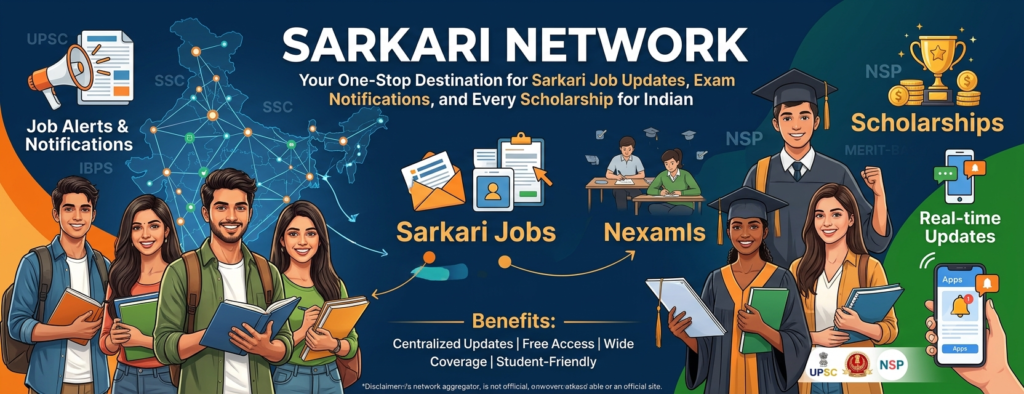
SarkariNetwork – Government Jobs, Exam Alerts & Scholarship...
Read More

Is Arizona State University (ASU) Accredited?
Read More
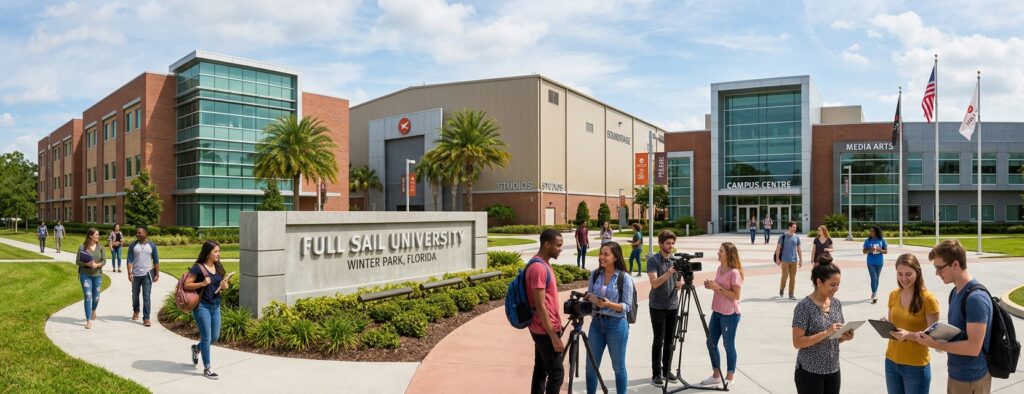
Is Full Sail University Legit?
Read More
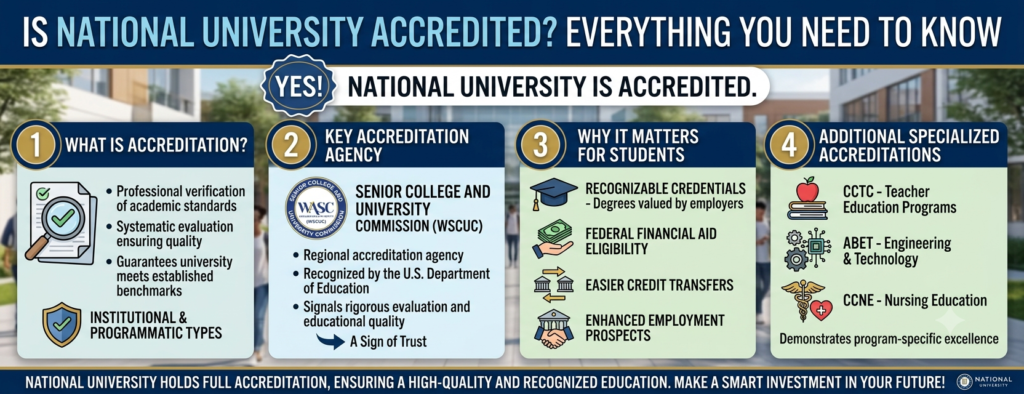
Is National University Accredited?
Read More

Work and Travel in Canada with the IEC...
Read More

The Practical Guide to GD&T Training: What It...
Read More























0 Comments
No comments yet.