



Change Visa Status Through Study in the U.S. (2026 Complete Guide)

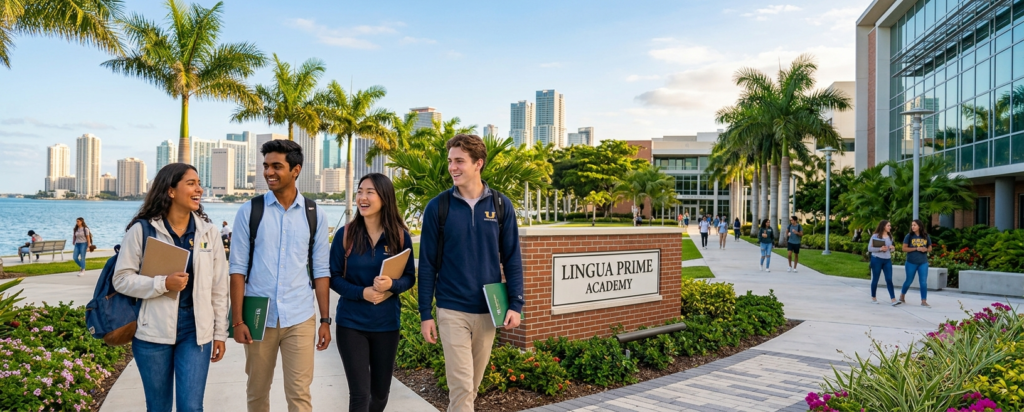
The United States continues to be one of the world’s leading destinations for international students, offering globally recognized universities, innovative academic programs, and excellent career opportunities. Every year, thousands of visitors enter the U.S. on temporary visas and later decide to continue their education by applying for a change of immigration status.
If you are already in the United States, you may be able to legally change your non-immigrant status to an F-1 student status without leaving the country, provided you meet the eligibility requirements set by U.S. Citizenship and Immigration Services (USCIS). This pathway allows eligible individuals to pursue full-time education while remaining compliant with U.S. immigration laws.
One trusted option is to enroll at Lingua Prime Academy, where students can begin the process to Change Your Visa Status to F-1 in Miami (https://miami.lingua-prime.edu/changeofstatus). The academy provides guidance throughout the application process and helps students understand the legal requirements involved.
Another popular pathway is making the Transition from a Tourist Visa to an F-1 Visa in Miami, which is suitable for individuals who initially visited the United States for tourism or business but later decided to pursue academic studies.
What Is F-1 Student Status?
F-1 is a non-immigrant student status that allows international students to study full-time at approved educational institutions in the United States. These institutions include universities, colleges, community colleges, high schools, conservatories, seminaries, and English language training programs certified by the Student and Exchange Visitor Program (SEVP).
Maintaining F-1 status requires students to remain enrolled full-time and comply with all USCIS and SEVP regulations throughout their studies.
Benefits of F-1 Student Status
Changing to F-1 status offers numerous advantages, including:
- Access to accredited U.S. colleges, universities, and language schools
- Opportunity to receive a world-class education
- Eligibility for on-campus employment (subject to F-1 regulations)
- Potential participation in Curricular Practical Training (CPT), when eligible
- Eligibility for Optional Practical Training (OPT) after meeting program requirements
- Improved opportunities for career development and professional networking
- Ability to transfer between eligible institutions under SEVP regulations
Who Can Apply for a Change of Status?
You may qualify to change your status to F-1 if you:
- Are currently in the United States under a valid non-immigrant status
- Have not violated the terms of your current immigration status
- Receive admission from a SEVP-certified educational institution
- Obtain Form I-20 from your school
- Demonstrate sufficient financial resources to cover tuition and living expenses
- Intend to study full-time
- Continue maintaining lawful status while your application is pending
Common eligible visa categories include:
- B-1 Business Visitor
- B-2 Tourist Visitor
- Certain dependent visa categories
- Other eligible non-immigrant classifications permitted under USCIS regulations
Step-by-Step Process to Change Status to F-1
1. Apply to a SEVP-Certified School
The first step is obtaining admission to a school authorized by the Student and Exchange Visitor Program (SEVP). Only SEVP-certified institutions can issue Form I-20.
2. Receive Form I-20
After acceptance, the school issues Form I-20 (Certificate of Eligibility for Nonimmigrant Student Status).
This document includes:
- Program start date
- Estimated education costs
- Student information
- SEVIS identification number
The Form I-20 is one of the most important documents required for your application.
3. Pay the SEVIS I-901 Fee
Before filing your application, you must pay the required SEVIS I-901 fee.
The payment activates your student record within the Student and Exchange Visitor Information System (SEVIS).
Keep your payment receipt, as it may be requested during the immigration process.
4. Submit Form I-539 to USCIS
Eligible applicants requesting a change of status generally file Form I-539, Application to Extend/Change Nonimmigrant Status.
Your application package typically includes:
- Completed Form I-539
- Filing fees (including any required biometric fee if applicable under current USCIS requirements)
- Form I-20
- Proof of SEVIS fee payment
- Financial documentation
- Passport copies
- Current visa documents
- I-94 Arrival/Departure Record
- Supporting evidence requested by USCIS
Ensure every document is complete and accurate before submission.
5. Attend Biometrics (If Required)
Depending on current USCIS policies and your specific application, you may receive a notice requiring biometrics or other additional information.
Always respond promptly to any USCIS request.
6. Wait for USCIS Decision
Processing times vary depending on USCIS workload and individual circumstances.
While your application is pending, you must continue complying with the conditions of your current immigration status.
Can You Start Studying Before Approval?
This is one of the most common questions applicants ask.
Generally, individuals applying for a change of status to F-1 should not begin a full course of study until they are authorized to do so under applicable immigration rules. Beginning studies too early could negatively affect your immigration status.
Always follow your school’s guidance and USCIS requirements before enrolling in classes.
Why Study in Miami?
Miami has become one of America’s most popular destinations for international students.
Advantages include:
- Diverse international community
- Warm climate throughout the year
- High-quality English language schools
- Excellent colleges and universities
- Strong job markets in tourism, healthcare, finance, technology, and international business
- Convenient international transportation
Many students also explore transfer opportunities to other U.S. institutions after completing English language or preparatory programs.
Important Things to Remember
When applying for a change of status:
- Maintain your current lawful status until USCIS makes a decision.
- Do not violate the conditions of your existing visa.
- Keep copies of every document submitted.
- Notify USCIS if your address changes.
- Respond quickly to any Request for Evidence (RFE).
- Consult your designated school official (DSO) if your academic schedule changes.
Common Mistakes to Avoid
Many applications are delayed or denied because applicants:
- Wait until their current status is about to expire.
- Submit incomplete forms.
- Provide insufficient financial evidence.
- Forget to pay the SEVIS fee.
- Choose schools that are not SEVP-certified.
- Ignore USCIS requests for additional documentation.
- Fail to maintain lawful status while waiting.
Preparing a complete application can significantly reduce unnecessary delays.
Frequently Asked Questions
Can I change my visa status without leaving the United States?
Yes. If you meet USCIS eligibility requirements, you may apply for a change of status by filing Form I-539 while remaining in the United States.
How long does the process take?
Processing times vary based on USCIS workload and individual circumstances. Many applications take several months, so applying well before your current status expires is recommended.
Can I work while my application is pending?
Employment depends on your current immigration status. Filing for F-1 status alone does not authorize employment.
Do I need to leave the U.S. to obtain F-1 status?
Not necessarily. Eligible applicants may change status within the United States. Others may choose or be required to apply for an F-1 visa at a U.S. embassy or consulate abroad, depending on their circumstances.
What happens if my application is denied?
If USCIS denies your application, your options depend on your immigration status and the reason for the denial. In some situations, applicants may need to depart the United States and apply for an F-1 visa through a U.S. embassy or consulate in their home country.
Is studying in an English language program allowed under F-1?
Yes. Many SEVP-certified English language schools enroll international students who qualify for F-1 student status.
Final Thoughts
Changing your immigration status to F-1 can be an excellent opportunity for individuals who wish to pursue education in the United States without immediately returning to their home country. By enrolling in a SEVP-certified institution, maintaining lawful immigration status, and carefully following USCIS procedures, eligible applicants can take an important step toward achieving their academic and professional goals.
Whether you are planning to improve your English skills, earn a college degree, or prepare for future career opportunities, understanding the change-of-status process and working with experienced educational institutions can help make your transition smoother and more successful.


Top Universities
 Daad
Daad  ANU University
  University of Oxford
  Monash University
  Umeå University
  University of Warwick
  Yale University
  UCLouvain
  University of British Columbia (UBC)
  Southern Cross University
 Recent Post
Common Scholarship Rejection Reasons
Read More 
How to Check If a Scholarship Is Fake...
Read More

How to Find Professor Email for MS/PhD Admissions...
Read More

Universities That Accept Students Without IELTS in 2026
Read More

Duke-NUS AI Medical Education Faculty Position 2026
Read More
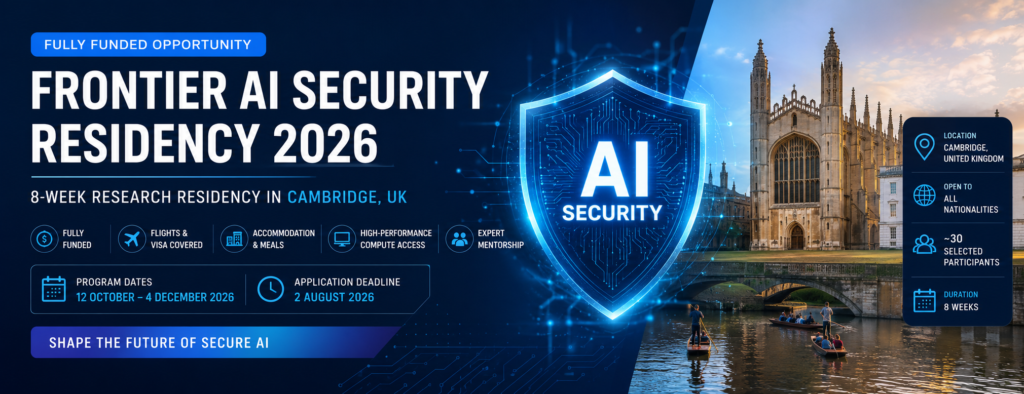
Frontier AI Security Residency 2026 in UK (Fully...
Read More
SarkariNetwork – Government Jobs, Exam Alerts & Scholarship...
Read More
Is Arizona State University (ASU) Accredited?
Read More
Is Full Sail University Legit?
Read More
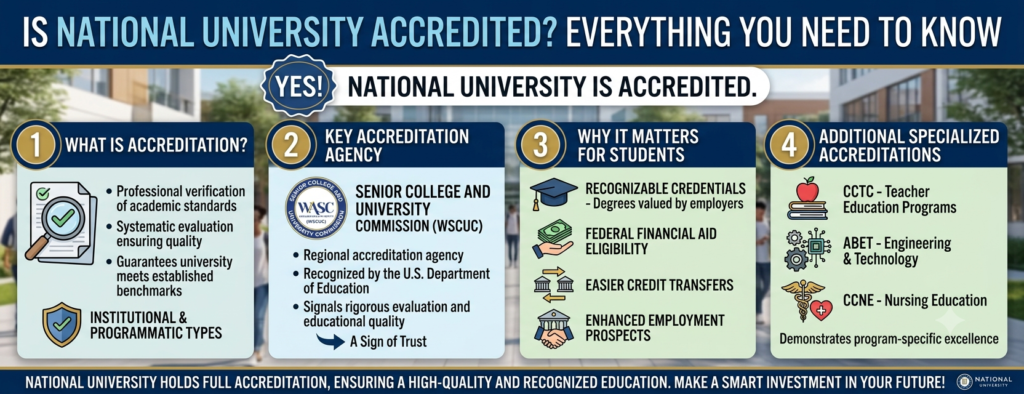
Is National University Accredited?
Read More
Work and Travel in Canada with the IEC...
Read More

The Practical Guide to GD&T Training: What It...
Read More




















0 Comments
No comments yet.