



H-1B Visa Changes in 2026

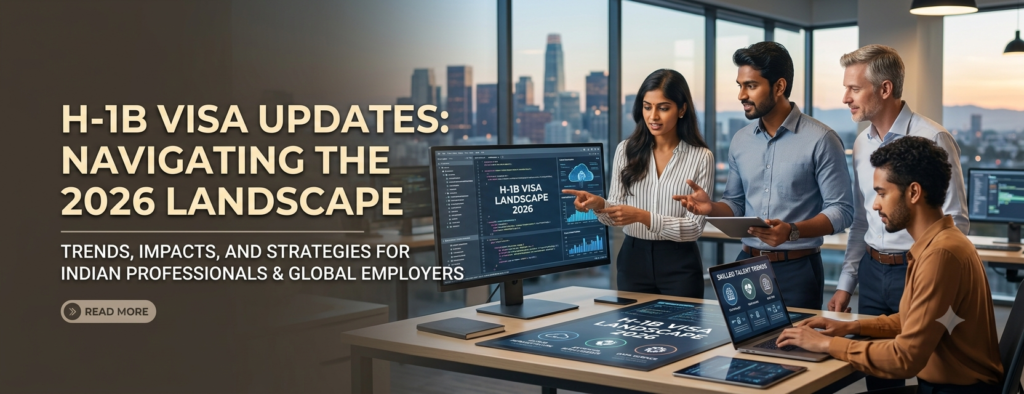
H-1B Visa Changes in 2026: How U.S. Immigration Policies Could Impact Indian Tech Professionals
The H-1B visa program has been a vital pathway for skilled foreign professionals seeking employment in the United States, particularly in technology, engineering, healthcare, finance, and research. For decades, Indian professionals have dominated the H-1B program, helping fuel innovation at some of the world’s largest technology companies while strengthening business ties between India and the United States.
As immigration policies continue to evolve in 2026, employers and skilled workers are closely monitoring new regulations, increased compliance requirements, changing application fees, and ongoing debates over foreign worker programs. Although the H-1B program remains one of the most popular work visa options, recent policy discussions have created uncertainty for employers, international students, and Indian IT service providers.
This article explores the latest H-1B visa developments in 2026, how they could affect Indian professionals, what employers should expect, and strategies for adapting to an evolving immigration landscape.
Understanding the H-1B Visa Program
The H-1B visa allows U.S. employers to hire highly skilled foreign professionals in specialty occupations that require specialized knowledge and at least a bachelor’s degree or equivalent experience.
The visa is widely used by companies in:
- Software development
- Artificial Intelligence (AI)
- Cybersecurity
- Cloud Computing
- Data Science
- Healthcare
- Engineering
- Financial Technology (FinTech)
Each year, demand for H-1B visas far exceeds the annual cap, making the lottery system highly competitive.
What’s Changing for H-1B Visas in 2026?
While the H-1B program itself continues to operate, employers face a changing regulatory environment that includes:
- Higher government filing fees compared to previous years
- Increased scrutiny during petition reviews
- Stronger employer compliance requirements
- Enhanced fraud prevention measures
- Greater focus on legitimate specialty occupation positions
Immigration experts expect companies to become more selective when sponsoring foreign workers due to rising costs and administrative complexity.
Why Indian Professionals Are Most Affected
Indian nationals continue to represent the largest share of H-1B visa approvals.
Several factors explain this trend:
- India produces a large number of STEM graduates every year.
- Major Indian IT companies provide technology services to U.S. businesses.
- Thousands of Indian students graduate annually from American universities and seek H-1B sponsorship.
- Many multinational technology firms rely heavily on Indian engineering talent.
Because of this significant representation, any H-1B policy change tends to affect Indian professionals more than any other nationality.
Impact on Indian IT Companies
Large Indian technology firms have traditionally relied on the H-1B program to place skilled employees at client locations across the United States.
In 2026, these companies may face several challenges.
Rising Employment Costs
Higher filing fees and increased legal compliance costs mean sponsoring employees has become more expensive.
This may encourage companies to:
- Reduce unnecessary visa filings
- Prioritize experienced specialists
- Optimize workforce planning
Greater Investment in U.S. Hiring
Many global IT firms are expanding local hiring initiatives by recruiting:
- U.S. citizens
- Permanent residents
- Graduates from American universities
This helps companies reduce dependence on international transfers while strengthening their domestic workforce.
Expansion of Offshore Delivery Centers
Rather than relocating large numbers of engineers, companies continue investing in delivery centers across:
- Bengaluru
- Hyderabad
- Pune
- Chennai
- Gurugram
Remote collaboration tools now allow many high-value projects to be delivered efficiently without requiring physical relocation.
Impact on Indian Tech Professionals
More Competitive Sponsorship Process
As employers become more selective, candidates with specialized skills may have stronger chances of receiving sponsorship.
High-demand expertise includes:
- Artificial Intelligence
- Machine Learning
- Cybersecurity
- Cloud Infrastructure
- Semiconductor Engineering
- Data Engineering
- DevOps
- Robotics
Professionals with niche technical expertise may remain highly attractive despite higher employer costs.
International Students Face Greater Competition
Many Indian students studying in the United States hope to transition from F-1 Optional Practical Training (OPT) to H-1B employment.
With employers carefully evaluating sponsorship expenses, graduates may need to:
- Build specialized technical skills
- Gain internship experience
- Target employers with established immigration programs
- Develop expertise in high-demand industries
Longer-Term Career Planning
Professionals are increasingly considering global career opportunities rather than focusing solely on the United States.
Popular alternatives include:
- Canada
- Germany
- Australia
- Singapore
- Ireland
- United Kingdom
Many countries continue expanding skilled migration programs to attract international talent.
Impact on U.S. Technology Companies
American technology companies also rely heavily on international talent.
Potential consequences include:
Increased Recruitment Costs
Companies may spend more on:
- Immigration processing
- Legal compliance
- Recruitment
- Domestic talent development
Continued Talent Shortages
Demand for highly skilled professionals remains particularly strong in:
- Artificial Intelligence
- Cybersecurity
- Cloud Computing
- Semiconductor Manufacturing
- Advanced Software Engineering
Many employers argue that international professionals continue to play an important role in filling specialized positions.
Greater Adoption of Global Teams
Organizations increasingly operate distributed engineering teams across multiple countries.
Instead of relocating every employee to the United States, companies now use hybrid work models that combine:
- Remote development
- Offshore engineering
- Regional innovation hubs
- Cross-border collaboration
How Indian Professionals Can Prepare
Rather than relying solely on one immigration pathway, professionals should strengthen their long-term career strategy.
Recommended approaches include:
Develop Specialized Skills
Expertise in emerging technologies significantly improves employability.
Focus areas include:
- AI and Generative AI
- Cybersecurity
- Cloud Platforms
- Data Analytics
- Blockchain
- Internet of Things (IoT)
Earn Industry Certifications
Globally recognized certifications from major technology providers can strengthen a candidate’s profile.
Gain International Experience
Working with multinational companies and global clients helps professionals remain competitive regardless of location.
Consider Alternative Visa Options
Depending on eligibility, professionals may explore:
- L-1 Intracompany Transfer
- O-1 Visa for individuals with extraordinary ability
- Employment opportunities through multinational offices
- Remote international positions
Opportunities for India
Some analysts believe changing immigration dynamics may also create opportunities for India’s technology ecosystem.
Potential benefits include:
- Expansion of Global Capability Centers (GCCs)
- Increased foreign investment in Indian technology hubs
- Growth of startup ecosystems
- Higher demand for remote engineering services
- More innovation driven from India rather than overseas
As remote work becomes increasingly accepted, global companies may continue expanding their presence within India.
Future Outlook
The H-1B program remains an essential component of the U.S. innovation economy, but employers are adapting to changing immigration policies through more strategic workforce planning.
Indian professionals are expected to remain highly sought after due to their technical expertise, strong educational background, and experience working in global technology environments. However, competition for sponsorship is likely to become more selective, rewarding candidates with specialized skills and industry experience.
For businesses, success will depend on balancing domestic hiring, global talent acquisition, and remote workforce strategies. For professionals, continuous learning and adaptability will be the keys to long-term career growth.
Conclusion
The H-1B visa continues to offer valuable opportunities for skilled Indian professionals, but the landscape in 2026 is becoming more competitive and compliance-focused. Employers are carefully evaluating sponsorship decisions while investing in domestic hiring and global delivery models.
Despite these changes, demand for highly qualified technology professionals remains strong. Those who build expertise in emerging technologies, pursue continuous learning, and remain flexible about global career opportunities will be well-positioned for success.
Rather than viewing policy changes as barriers, professionals can use them as motivation to develop skills that are valuable across international markets. As technology continues to reshape the global economy, talent—not geography—will remain the defining factor in long-term career success.
Frequently Asked Questions (FAQs)
1. Is the H-1B visa still available in 2026?
Yes. The H-1B visa program continues to operate, although employers must comply with updated filing procedures, fees, and regulatory requirements.
2. Are Indian professionals still the largest H-1B visa recipients?
Yes. Indian nationals continue to receive the majority of approved H-1B visas due to their strong presence in STEM fields and the global technology industry.
3. Will higher filing costs reduce H-1B sponsorship?
Some employers may become more selective when sponsoring workers, particularly for entry-level positions, while continuing to sponsor highly skilled specialists.
4. Which industries hire the most H-1B workers?
Technology, engineering, healthcare, finance, scientific research, artificial intelligence, and cybersecurity remain among the largest H-1B employers.
5. Are Indian IT companies changing their hiring strategies?
Yes. Many firms are increasing local U.S. hiring while also expanding offshore delivery centers in India and other countries.
6. What skills improve H-1B sponsorship chances?
Artificial Intelligence, cloud computing, cybersecurity, machine learning, DevOps, semiconductor engineering, and data science remain among the most sought-after skills.
7. Can international students still obtain H-1B sponsorship?
Yes. Many employers continue sponsoring qualified graduates, although competition has increased and specialized skills are becoming more important.
8. Are there alternatives to the H-1B visa?
Yes. Depending on eligibility, professionals may consider L-1, O-1, or other employment-based immigration pathways.
9. Will remote work reduce demand for H-1B visas?
Remote work is changing hiring models, but many specialized positions still require employees to work in the United States, particularly for long-term projects.
10. What is the future of the H-1B program?
Most experts expect the H-1B program to remain a critical pathway for skilled immigration while continuing to evolve through policy reforms, stronger compliance measures, and changing workforce needs.


Top Universities
 Daad
Daad  ANU University
  University of Oxford
  Monash University
  Umeå University
  University of Warwick
  Yale University
  UCLouvain
  University of British Columbia (UBC)
  Southern Cross University
 Recent Post

Common Scholarship Rejection Reasons
Read More 

How to Check If a Scholarship Is Fake...
Read More

How to Find Professor Email for MS/PhD Admissions...
Read More

Universities That Accept Students Without IELTS in 2026
Read More

Duke-NUS AI Medical Education Faculty Position 2026
Read More
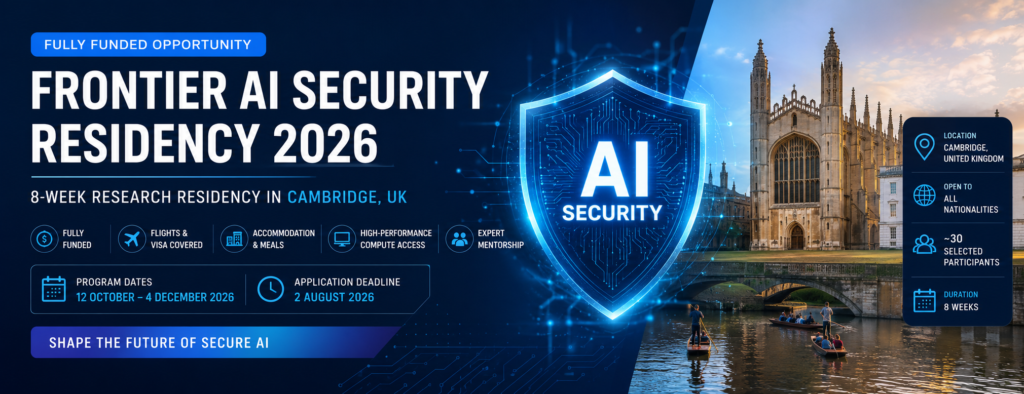
Frontier AI Security Residency 2026 in UK (Fully...
Read More
SarkariNetwork – Government Jobs, Exam Alerts & Scholarship...
Read More
Is Arizona State University (ASU) Accredited?
Read More
Is Full Sail University Legit?
Read More
Is National University Accredited?
Read More
Work and Travel in Canada with the IEC...
Read More

The Practical Guide to GD&T Training: What It...
Read More




















0 Comments
No comments yet.