



Three ways to reduce waste while moving

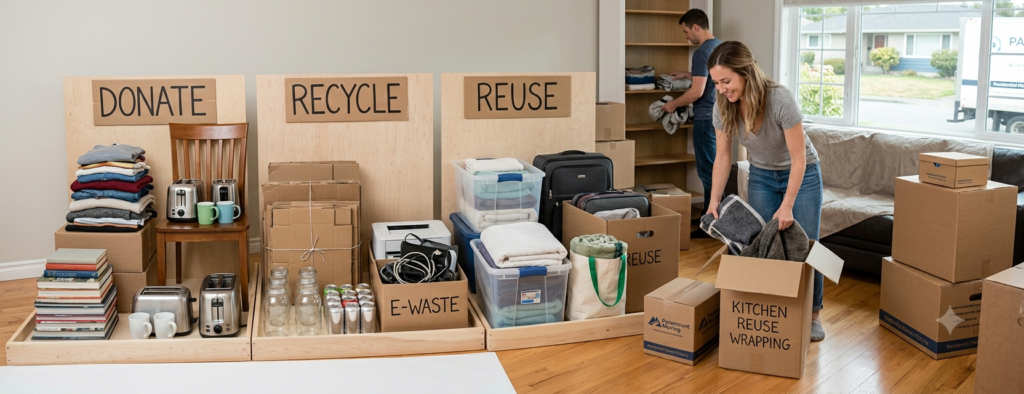
To reduce waste when moving, it’s important to plan ahead and make informed decisions about how to handle your household items before packing begins. The moving process often reveals the volume of accumulated possessions, many of which are no longer needed. Identifying items that can be reused, recycled, or donated reduces landfill impact, simplifies the moving process, and lowers transportation costs. It is best to categorize your belongings before getting a quote from movers https://paramountmoving.ca/victoria/service/residential-victoria-movers/.
Reusing
Common household items, such as storage boxes, suitcases, laundry baskets, and reusable shopping bags, can be used instead of single-use moving boxes. Towels, blankets, bedding, and clothing can be used to wrap fragile items, eliminating the need for excess packing paper or plastic. Furniture pieces that no longer fit the new space can be used in garages, basements, or communal areas or repurposed for other uses. For example, bookshelves can be used for pantry storage, and old desks can be used as workshop tables. Reuse extends the life of items without additional processing.
Recycling
Recycling is appropriate for materials that cannot be reused but can be recovered through municipal or private programs. Cardboard is one of the most common recyclable materials generated during a move and includes old boxes, packaging, and paper fillers. Flattening and sorting cardboard ensures efficient collection. Glass items, such as jars and bottles, can be recycled if facilities allow and if they are properly cleaned and separated. Metals from items such as shelving, bed frames, and small appliances are recyclable and are often accepted at scrap metal recycling centers. Outdated electronics, such as computers, printers, cables, and small devices, represent a significant category and should be directed to certified e-waste recyclers to prevent hazardous components from entering landfills.
Donating
One key way of reducing waste is donating usable goods to others. The most frequently donated items are clothing, shoes, and accessories in good condition. Many organizations also accept furniture, such as chairs, tables, dressers, and bed frames, as long as they meet safety and condition standards. Kitchenware, including dishes, utensils, cookware, and small appliances, is another common category of donation, especially when the items are still functional but no longer needed. Books, toys, sports equipment, and home décor can often be donated to charities, schools, or community centers. Donating these items not only diverts waste but also reduces packing volume and labor.
Certain objects require careful categorization. For instance, mattresses may be recyclable or donatable, depending on their condition and local regulations. Paint, cleaning products, and chemicals usually cannot be donated and must be disposed of or recycled according to specific guidelines. Damaged or worn textiles may be recyclable through fabric recovery programs instead of being discarded.
Disclaimer:
This article is published on The-Updates.com as a guest post. The views, opinions, and information expressed in this content are solely those of the guest author and do not necessarily reflect the views or editorial policy of The-Updates.com.
The-Updates.com does not take responsibility for the accuracy, completeness, or reliability of any information, products, or services mentioned in this article. Any external links included are for informational purposes only, and readers are advised to verify details independently before making decisions or taking action.


Top Universities
 Daad
Daad  University of Oxford
  ANU University
  Monash University
  University of Warwick
  Yale University
  UCLouvain
  University of British Columbia (UBC)
  Istituto Marangoni London
  Bond University
 Recent Post

Common Scholarship Rejection Reasons
Read More 

How to Check If a Scholarship Is Fake...
Read More

How to Find Professor Email for MS/PhD Admissions...
Read More

Universities That Accept Students Without IELTS in 2026
Read More

Duke-NUS AI Medical Education Faculty Position 2026
Read More

Frontier AI Security Residency 2026 in UK (Fully...
Read More
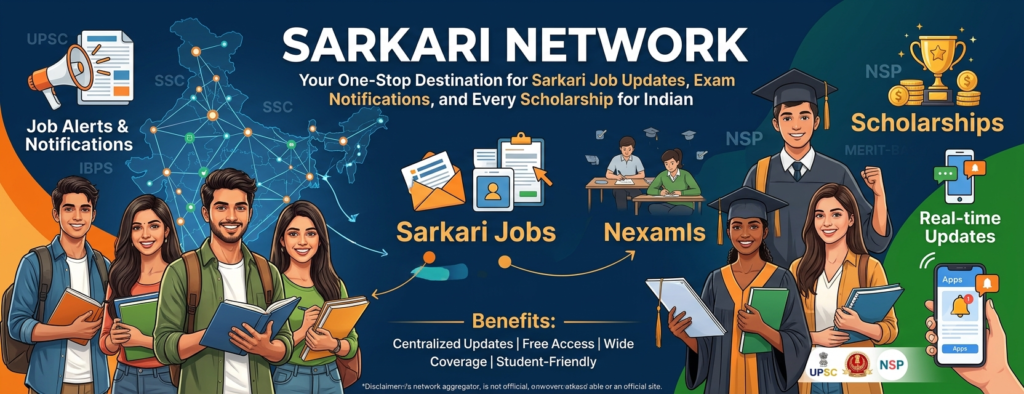
SarkariNetwork – Government Jobs, Exam Alerts & Scholarship...
Read More

Is Arizona State University (ASU) Accredited?
Read More
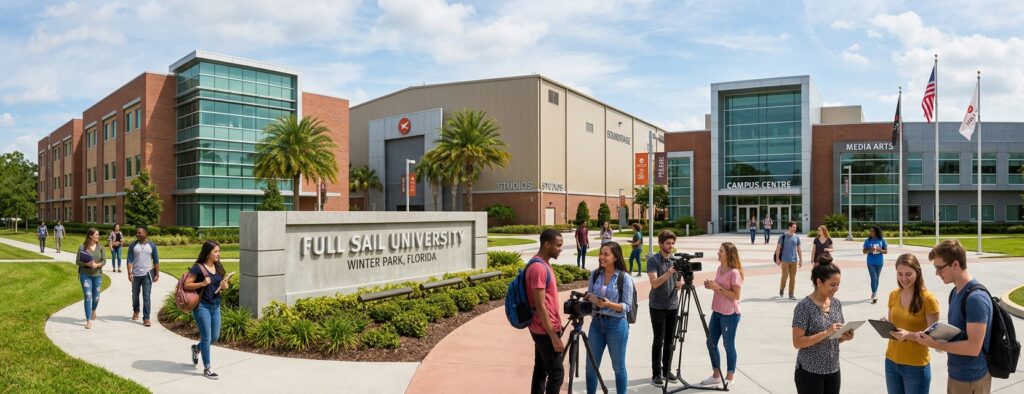
Is Full Sail University Legit?
Read More
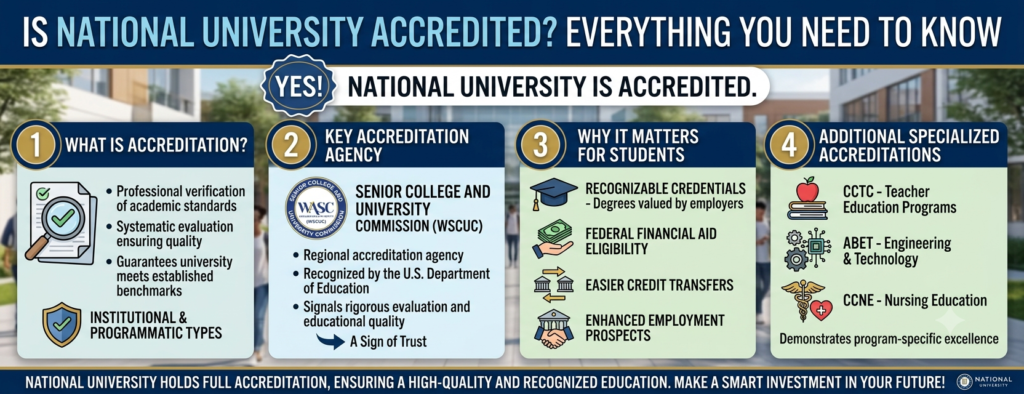
Is National University Accredited?
Read More

Work and Travel in Canada with the IEC...
Read More

The Practical Guide to GD&T Training: What It...
Read More























0 Comments
No comments yet.