






German Employment Visa 2026

Introduction
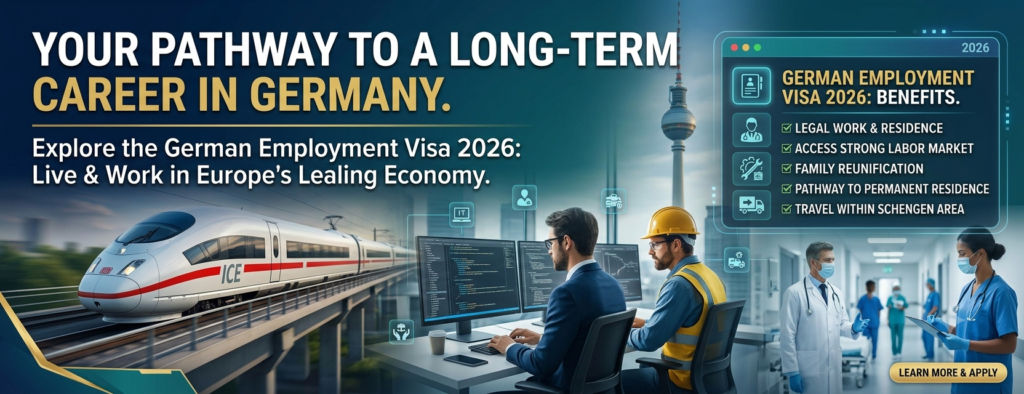
Germany remains one of the world’s leading destinations for skilled professionals seeking long-term career opportunities. With an increasing demand for qualified workers across sectors such as healthcare, engineering, IT, construction, logistics, education, and manufacturing, the German Employment Visa 2026 offers non-EU and non-EEA citizens a clear pathway to live and work legally in Germany.
Officially issued as a National Visa (Type D), the employment visa allows qualified professionals who have secured a job offer from a German employer to enter Germany and later obtain a Residence Permit for Employment. Depending on the employment contract and occupation, the residence permit is generally granted for the duration of the employment contract, up to four years, and can be renewed. It also provides a pathway to permanent residence and, eventually, German citizenship for eligible applicants.
What is the German Employment Visa?
The German Employment Visa is a long-stay visa designed for skilled workers from countries outside the European Union who have received a valid employment offer from a German company.
After arriving in Germany, visa holders must apply for a Residence Permit for Employment at the local Foreigners’ Authority (Ausländerbehörde). This residence permit allows them to legally work and reside in Germany.
Who Can Apply?
You may qualify if you:
- Are a non-EU/EEA citizen.
- Have a confirmed job offer from a German employer.
- Hold recognized academic or vocational qualifications.
- Meet the salary and qualification requirements for your profession.
- Possess valid health insurance.
- Have sufficient financial means until your first salary if required.
Types of German Employment Residence Permits
1. Residence Permit for Qualified Professionals
This is the standard residence permit issued to professionals with recognized university degrees or vocational qualifications.
Suitable for:
- Engineers
- IT Specialists
- Teachers
- Healthcare workers
- Skilled technicians
- Scientists
- Architects
- Finance professionals
2. EU Blue Card Germany
The EU Blue Card is designed for highly qualified professionals with university degrees and higher-paying job offers.
Benefits include:
- Faster route to permanent residence.
- Easier family reunification.
- Greater mobility within the EU.
- Possibility of changing employers under simplified procedures after the required period.
The salary thresholds are updated annually, so applicants should check the latest official figures before applying.
3. Residence Permit for Vocationally Qualified Workers
Professionals with recognized vocational training can obtain residence permits for occupations experiencing labor shortages, including:
- Electricians
- Plumbers
- Welders
- Industrial mechanics
- Caregivers
- Construction workers
4. Self-Employment Residence Permit
Entrepreneurs, investors, freelancers, and self-employed professionals can apply for residence permits if their business contributes positively to the German economy and meets the relevant legal requirements.
German Language Requirements
One of the biggest misconceptions is that German language proficiency is mandatory for every employment visa.
In reality:
- German language skills are not legally required for many employment visas.
- Many multinational companies operate entirely in English.
- Certain regulated professions, particularly healthcare, nursing, education, and public service, usually require German language proficiency.
- Learning German significantly improves employment opportunities and daily life in Germany.
Requirements for the German Employment Visa 2026
Applicants generally need:
- Valid passport.
- Completed national visa application form.
- Recent biometric passport photographs.
- Employment contract or binding job offer.
- Recognized university degree or vocational qualification.
- Proof that qualifications are recognized in Germany (if applicable).
- Updated CV.
- Educational certificates.
- Professional licenses (if required).
- Proof of health insurance.
- Proof of accommodation (may be requested after arrival).
- Visa fee payment.
Recognition of Foreign Qualifications
Germany requires many foreign qualifications to be officially recognized before employment.
Recognition can be obtained through Germany’s official qualification recognition system.
Applicants should verify whether their profession requires recognition before applying.
Salary Requirements
There is no universal minimum salary for every employment visa.
However:
- Salaries must generally correspond to German labor standards.
- EU Blue Card applicants must meet the annual salary threshold established by the German government.
- Applicants aged over 45 applying for certain employment residence permits may need to meet additional pension or minimum salary requirements unless exemptions apply.
These requirements are reviewed periodically, so applicants should verify the latest figures before submitting their application.
Required Documents
Typical documentation includes:
- Valid passport
- Completed visa application
- Employment contract
- University or vocational certificates
- Recognition certificate (if applicable)
- Curriculum Vitae (CV)
- Motivation letter (sometimes requested)
- Proof of health insurance
- Passport photographs
- Proof of visa fee payment
The German embassy may request additional documents depending on your nationality and occupation.
Application Process
Step 1: Obtain a Job Offer
Secure employment with a German company.
Step 2: Check Qualification Recognition
Determine whether your profession requires official recognition.
Step 3: Book a Visa Appointment
Schedule an appointment with the German Embassy or Consulate responsible for your country.
Step 4: Prepare Documents
Collect all required documents and translations where necessary.
Step 5: Attend the Interview
Submit your application, provide biometric data, and attend the visa interview.
Step 6: Wait for Processing
Processing times generally range from 4 to 12 weeks, depending on the embassy and whether approval from German authorities is required.
Step 7: Travel to Germany
After visa approval, travel to Germany before the visa expires.
Step 8: Register Your Address
Within the required timeframe after arrival, register your residential address (Anmeldung).
Step 9: Apply for Your Residence Permit
Visit the local Foreigners’ Authority (Ausländerbehörde) to receive your Employment Residence Permit.
Visa Fees
The standard fee for a German National Employment Visa remains €75 for most applicants.
Additional costs may include:
- Certified document translations
- Qualification recognition fees
- Health insurance
- Courier services (if applicable)
Processing Time
Average processing times:
- Standard Employment Visa: 4–12 weeks
- EU Blue Card: Often processed faster in many cases
- Recognition-dependent professions may require additional time
Processing times vary depending on your country and individual circumstances.
Family Reunification
Employment residence permit holders can often bring:
- Spouse
- Registered partner
- Minor children
Family members may also receive work authorization depending on their residence status.
Permanent Residence
Qualified professionals may become eligible for permanent residence after meeting residence duration, employment, language, and integration requirements.
EU Blue Card holders often qualify sooner than holders of standard employment permits if they meet the applicable conditions.
In-Demand Jobs in Germany for 2026
Germany continues to face skilled labor shortages in numerous sectors, including:
- Information Technology
- Artificial Intelligence
- Software Development
- Cybersecurity
- Healthcare
- Nursing
- Engineering
- Construction
- Renewable Energy
- Skilled Trades
- Logistics
- Manufacturing
- Hospitality
- Education
- Research
These occupations offer strong employment prospects for qualified international applicants.
Germany Opportunity Card
Alongside the Employment Visa, Germany also offers the Opportunity Card (Chancenkarte), a points-based residence permit that allows eligible skilled workers to enter Germany without a prior job offer to search for employment.
The Opportunity Card remains an important pathway for professionals who have not yet secured employment but meet qualification and points requirements.
Benefits of the German Employment Visa
- Live and work legally in Germany.
- Access one of Europe’s strongest labor markets.
- Competitive salaries and employee benefits.
- Public healthcare coverage.
- Opportunity to bring family members.
- Pathway to permanent residence.
- Potential route to German citizenship after meeting residency requirements.
- Freedom to travel within the Schengen Area under applicable rules.
- Strong worker protections under German labor law.
Official Resources
Applicants should always rely on official German government sources for the latest updates regarding visa requirements, salary thresholds, qualification recognition, and residence permits.
Recommended official resources include:
- Make it in Germany
- German Federal Foreign Office
- Federal Office for Migration and Refugees (BAMF)
- Recognition in Germany Portal
Final Thoughts
Germany continues to expand opportunities for qualified international professionals through its modern immigration system. Whether you are an engineer, software developer, healthcare worker, skilled tradesperson, researcher, or other qualified professional, the German Employment Visa 2026 provides a reliable route to employment, long-term residence, and career growth in Europe’s largest economy.
Before applying, ensure your qualifications are recognized where necessary, prepare all required documentation carefully, and consult official German government resources for the latest visa regulations and salary requirements.


Top Universities
 ANU University
  Monash University
  University of Oxford
  Daad
Daad  Istituto Marangoni London
  Southern Cross University
  University of British Columbia (UBC)
  UCLouvain
  Pierre Elliott Trudeau Foundation
  University of Florence
 Recent Post

Universities That Accept Students Without IELTS in 2026
Read More 

Duke-NUS AI Medical Education Faculty Position 2026
Read More
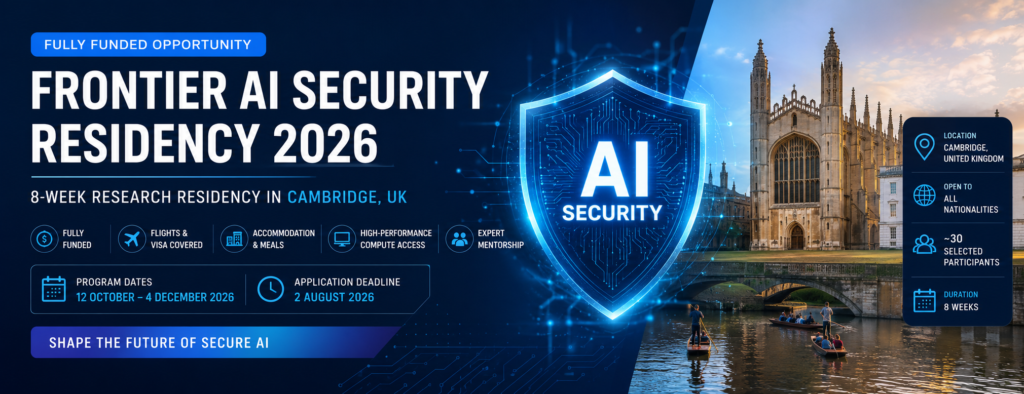
Frontier AI Security Residency 2026 in UK (Fully...
Read More
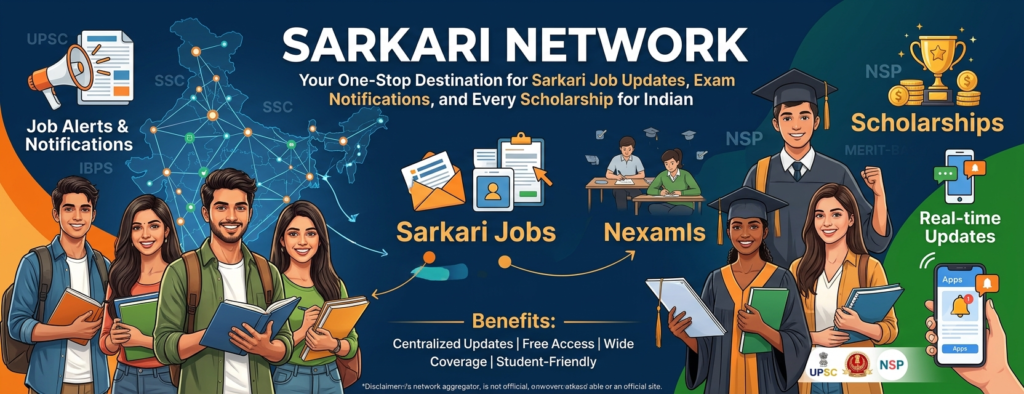
SarkariNetwork – Government Jobs, Exam Alerts & Scholarship...
Read More

Is Arizona State University (ASU) Accredited?
Read More
Is Full Sail University Legit?
Read More
Is National University Accredited?
Read More

Work and Travel in Canada with the IEC...
Read More

The Practical Guide to GD&T Training: What It...
Read More

CMMS and Preventive Maintenance Software Solutions Guide
Read More

Boston wedding venues
Read More

What Is an Artificial Intelligence (AI) Death Calculator
Read More






















0 Comments
No comments yet.